
Regional Focus – Cyprus Report
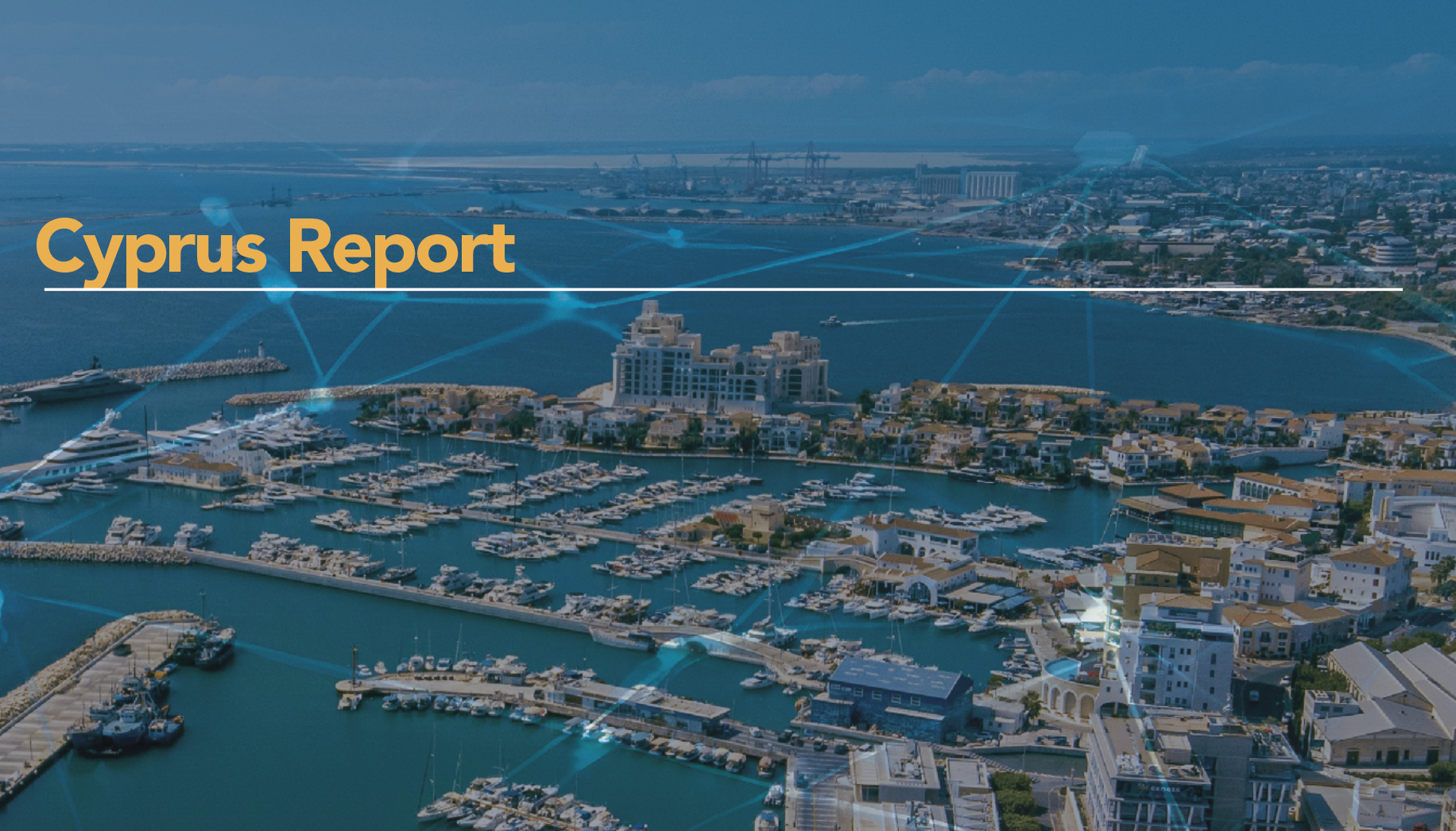
Cyprus Shipping holds steady as cluster broadens and digitalisation gains pace
Cyprus’s shipping cluster continues to show resilience, with its core shipmanagement base remaining strong while the wider maritime ecosystem expands into new service areas, according to Alexandros Josephides, Director General of the Cyprus Shipping Chamber (CSC).
He said the sector continues to make a substantial contribution to the national economy, accounting for around 7% of GDP, and stressed that the value of that contribution has increased as Cyprus’s economy has grown. Rather than a rush of new shipmanagement companies setting up on the island, the more notable trend has been the strengthening of existing players, with established members managing more tonnage and deepening their presence.
That steady growth is being supported by the broader development of the Cyprus maritime cluster. Mr Josephides pointed to an increasingly capable network of service providers, ranging from technical and operational support to finance and other specialist services. He said the island was now offering a much stronger service environment capable of supporting a wide range of shipping activities, with banks, suppliers and manufacturers all playing a larger role. The arrival of new financing capacity, including stronger ship finance support, is also helping to reinforce Cyprus’s position.
Technology is part of that story, although the CSC is careful not to overstate it. According to Mr Josephides, there is growing discussion around AI, IT and digital services, and that technology-focused companies are gradually expanding their presence. At the same time, more traditional service providers, including engine manufacturers and spare parts suppliers, are also building their operations in Cyprus in response to the scale and stability of the shipmanagement cluster.
The Cyprus flag has also shown encouraging progress. Government figures indicate that tonnage has risen by close to 20% over the past two to three years, with the registry maintaining its standing and adding new ships without sacrificing its focus on quality. While this has not transformed Cyprus’s ranking overnight, it points to steady, credible expansion.
A major factor behind that confidence remains Cyprus’s tonnage tax regime. Mr Josephides described it as the foundation of the island’s attractiveness, noting that the current framework is secure until 2029 and that there are good prospects for renewal beyond that. He also highlighted the government’s efforts to digitalise maritime administration, particularly through new modules covering seafarer certification and taxation. These changes, he said, are beginning to improve speed, efficiency and ease of interaction between the administration and the resident shipping industry.
Looking ahead, the CSC believes decarbonisation could create further opportunity for Cyprus. In his view, large shipmanagement companies based on the island are well placed to help owners navigate an increasingly complex regulatory and commercial environment. Their ability to provide integrated technical, crewing, IT and commercial services could make Cyprus an even more attractive base for managing fleets through the transition.
At the same time, he acknowledged that geopolitical tensions are weighing on the wider economy, particularly tourism, and are creating concern for vessels and seafarers in the Gulf region. Even so, his overall message on shipping was clear: Cyprus remains on solid ground, and if it continues to improve competitiveness, services and administrative efficiency, the cluster is well positioned for the next phase of growth.
Cyprus is entering its next phase as a maritime centre from a position of growing confidence, with shipmanagement still at the heart of its proposition but with increasing emphasis on building a wider, more sophisticated services cluster, according to Kyriacos Georgiou, Chief Operating Officer at MCTC.
The island’s future growth will depend not simply on expanding shipmanagement volumes, but on deepening the ecosystem that supports them. “Cyprus has already established itself as a very credible shipmanagement hub, and the next phase of growth will come from strengthening the broader ecosystem around it,” he said.
That means creating more depth in specialist and value-added services as shipping becomes more demanding. Georgiou points to clear opportunities in compliance, sustainability, digital capability and operational support, all areas that are becoming more central to owners and managers as regulatory obligations intensify and operating models evolve.
Cyprus, he argues, is already moving in that direction. Growth is being seen not only in shipmanagement itself, but also in legal, insurance, advisory and other specialist maritime services.
“Cyprus is gradually evolving into a more complete maritime services hub,” he said.
That evolution reflects a strategy focused on integrating shipmanagement with legal, financial and technical expertise, while also aligning with broader industry priorities such as compliance, sustainability and digital transformation. Progress, Georgiou suggested, is steady rather than dramatic, with long-term success depending on consistent execution.
Cyprus has also continued to strengthen its appeal to Greek owners, helped by geographical proximity, familiarity and what Georgiou describes as a strong operational framework. While there is further room to develop complementary services such as arbitration and insurance, the overall direction remains positive.
At the same time, regional instability is sharpening Cyprus’ appeal. With conflict and tension affecting sentiment in the Gulf, Georgiou believes Cyprus is well placed as a stable alternative within the wider region. “For Cyprus, this reinforces its position as a stable and established alternative,” he said, adding that any change is more likely to be a gradual rebalancing of activity than a sudden shift.
For MCTC, Cyprus remains central. “Cyprus is central to MCTC as our headquarters and foundation, both from an operational and strategic perspective, while our activities are fully international,” Georgiou said.
He added that growth opportunities are emerging as clients place greater weight on reliability, transparency and crew welfare. In a market shaped by geopolitical uncertainty, cost volatility and tightening compliance demands, Georgiou’s message is clear: those who stay adaptable, while maintaining quality and protecting seafarers, will be best placed to succeed.