
How I Work: Mike Hall CEO, Britannia Group
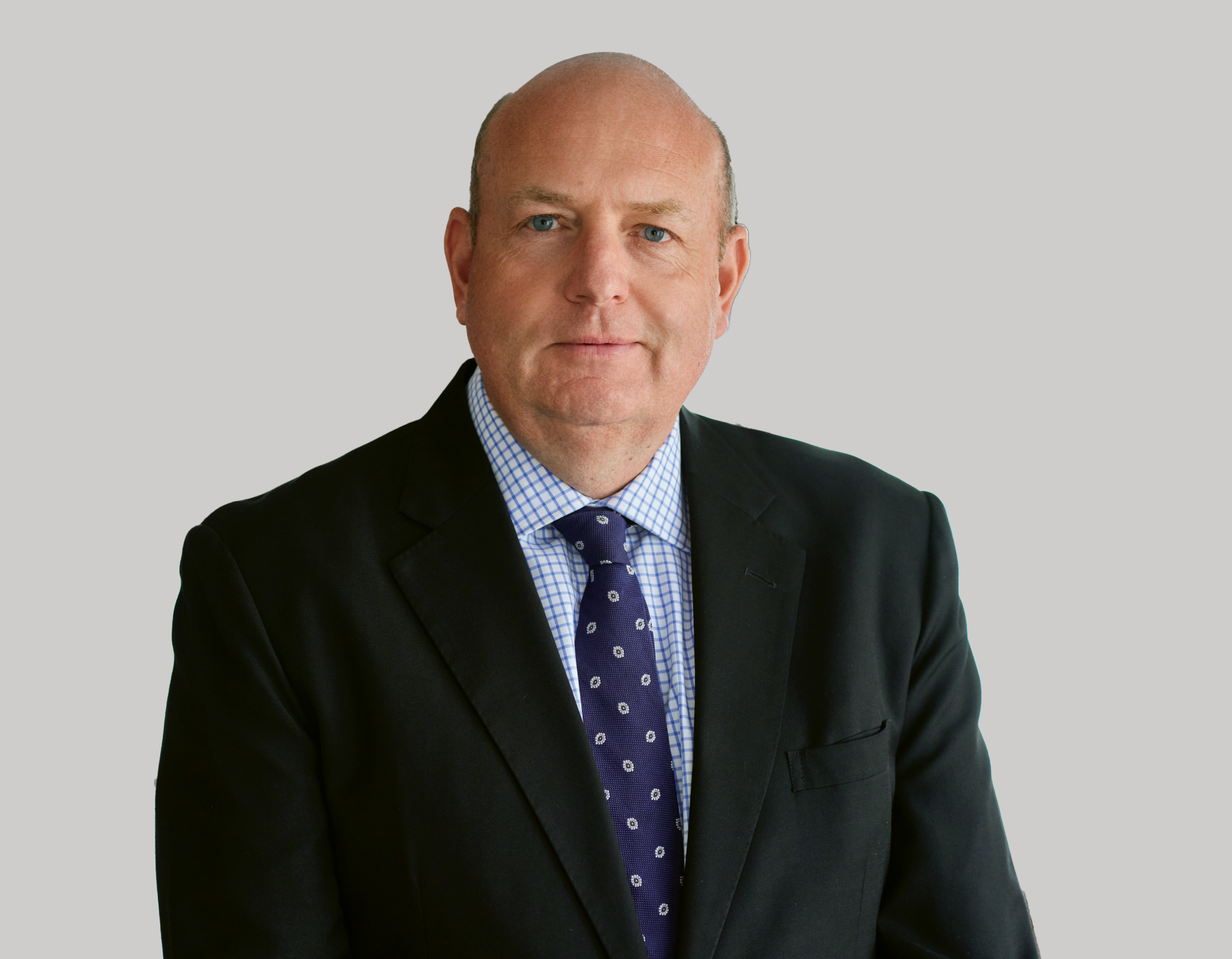
Succeeding Andrew Cutler, Mike Hall took over as Chief Executive of the Britannia Group, a leading P&I insurance provider, at the beginning of January 2026. Previously he had served as the Britannia Group’s Chief Underwriting Officer from 2014 to 2022, before being appointed Deputy CEO. He was also Chair of the International Group of P&I Clubs’ (IG) Reinsurance Committee until the end of last year, alongside Cutler as IG Chair (2022-2025).
Announcing the succession, the Club highlighted the new CEO’s extensive experience, deep knowledge of the global P&I market and longstanding commitment to delivering exceptional service to Britannia’s Members worldwide.
“It is a great honour to take on the role of CEO of the Britannia P&I Club,” said Mike Hall. “At a time of significant change for the maritime industry, my priority will be to ensure Britannia continues to deliver outstanding service, financial resilience, and long-term value for its Members.”
Speaking exclusively to SMI, Hall elaborated on some of the aspects of that ‘significant change’, beginning with ongoing geopolitical uncertainties.
“I think one of the biggest concerns for us has been relating to the various sanctions regimes that are in place at the moment and adherence with that,” he began. “For existing Members currently trading under the oil price cap and for any potential new Members doing the same, attestation is required. Then there’s also making sure that new Members entering the Club are compliant with sanction regimes and that we’re not inadvertently taking on a sanctioned entity. That has required a significant increase in operational planning and resources.”
Decarbonisation is another area of massive change for the industry, how has Britannia been affected by tightening environmental requirements, and then by the postponed adoption of IMO’s Net Zero Framework?
“I think the impact on P&I has predominantly been indirect,” Hall replies. “Shipowners are still trying to work out what the most successful or best trajectory of alternative fuels is going to be, as that path is not clear at the moment. Not wishing to get themselves stuck with the least effective technology, owners are delaying ordering new vessels. And that has helped our Members financially because, you’re seeing that nearly all sectors of shipping are making money, which means our Members are in good financial health.”
“This means” he continues, “shipowners are holding on to their ships for longer than they would normally do. Rather than selling ships when they get to, say, 10 or 15 years old, they’re hanging on to them. So, there may be a slight increase in claims because you tend to see increasing contamination and cargo damage claims from older vessels.”
“And the other thing we have to think about,” he adds, “is that when owners do eventually make a decision to order new ships, there will be a significant impact of ‘churn’ on the Club. As vessels get older a premium increase is applied each year, meaning vessels that are 15-20 years old pay rates that are significantly higher than new ships. So, at some point there’ll be a quite a significant premium drop-off as the older vessels are replaced by new ones. And that’s something we need to factor into our projections going forward.”
Returning to the issue of geopolitics, has Britannia Club issued any particular advice to Members in respect of the recent tightening of sanctions and seizure of so-called dark or shadow fleet vessels or of the drone missile attacks on ships in the Black Sea area?
“On the matter of sanctions, from the outset we’ve always been very clear with our Members that it’s important that they absolutely adhere to all of these regulations,” states Hall. “All Clubs have sanctions’ exclusion clauses in their rules, so Members have to be very, very cautious and ensure there is no risk of breaching sanctions’ regulations in their trading activities. We have probably been among the more demanding Clubs on this, as we’re told by brokers, in terms of the information that we request from our Members.
“As regards the Black Sea, ‘theatres of conflict’ used to be more easily defined before. But what we’re seeing now with the ongoing Ukraine conflict is that there have been attacks on vessels further afield than you would normally expect. So’ I think for war underwriters this has made life difficult in terms of defining ‘war risk’ areas. Britannia excludes war risks but we have certainly been advising our Members that they need to follow their security consultants’ advice and possibly think about broader impacts than just in the Black Sea area.”
On the subject of seafarer safety and security, hasn’t the Britannia P&I Club been something of a trailblazer in this area?
“Yes, as you may know we have an award-winning ‘BSafe’ online Safety Awareness campaign, which has been running for quite a few years,” relates Hall. “This campaign, led by our loss prevention team, aims to support the safety, health and wellbeing of seafarers by providing online advice and materials, such as case studies, videos and posters.
“About one-quarter of our claims within Britannia are crew-related,” he explains, “so it’s very important that we do what we can to try and minimise those, and also limit our financial exposure. Our loss prevention team has a wide range of materials on seafarer safety, security and mental health. We provide webinars and in-person seminars around the world for our Members and we often visit vessels to discuss safety best practices.”
In fact, Britannia has a specialist people risks team that only deals with crew-related claims, Hall explains, which not all Clubs have. This is because of “peculiarities and sensitivities surrounding these type of claims that we think only a specialist team can deal with.’ And Britannia also supports a number of charities dealing with seafarer welfare, namely Sailors’ Society, Stella Maris and The Mission to Seafarers.”
Finally, has the new Britannia Group CEO set himself any targets to achieve during his tenure?
“Yes, I have a focus on what I call the 4 S’s – Stability, in terms of both financial stability for the Club and stability of calls for our Members. Service, and ensuring it’s of the highest quality for our Members. Systems, to both improve service for Members and also to keep an eye on cost. And the last is Succession, because I think one of the challenges in the P&I sector is that there’s a shortage of talent in some areas. We need to develop a pipeline of really high-quality people coming through the business, now and for the next generation as well.” Insuring not only the present but also the future, one might say.