
Modi calls for international emergency support network for seafarers
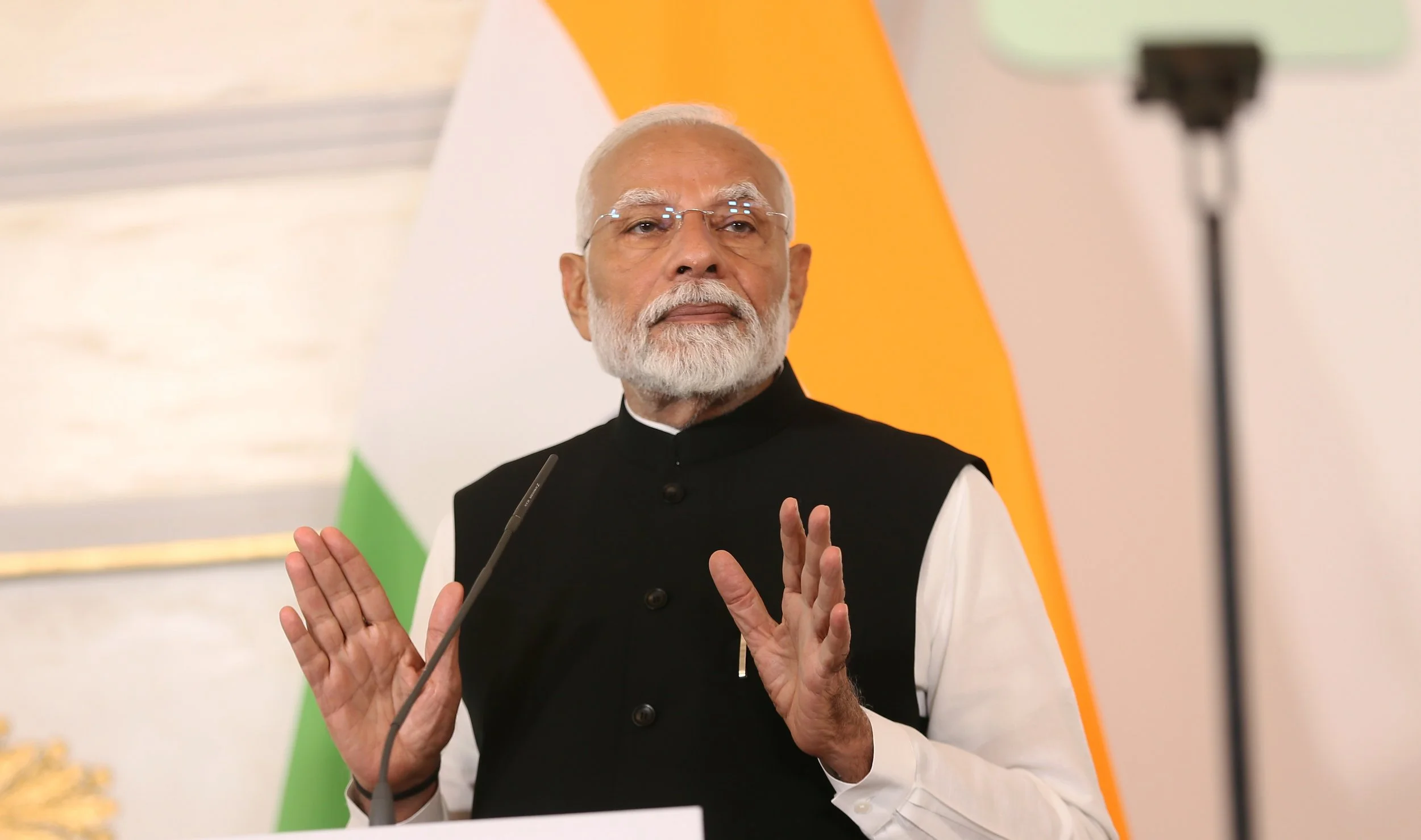
Editorial credit: photoibo / Shutterstock.com
Indian Prime Minister Narendra Modi has called for the creation of an international Seafarers’ Emergency Support Network, as concern grows over the number of merchant seafarers being caught up in geopolitical conflicts and attacks on commercial shipping.
Speaking at the BRICS Leaders’ Summit on Saturday, Modi proposed a mechanism linking maritime authorities and diplomatic missions to provide seafarers with rapid assistance during emergencies, including distress alerts, medical support, communication with families and evacuation.
“Global trade can move forward only when sea lanes are secure, supply routes remain open, and seafarers are safe,” he told the summit.
The proposal comes as India, one of the world’s largest suppliers of maritime labour, steps up calls for greater protection of merchant seafarers operating in high-risk areas.
“Seafarers make a significant contribution to global trade, but they often find themselves without adequate support during difficult times,” Modi said.
“My proposal is – can we create a Seafarers Emergency Support Network?”
He said such a system could connect the maritime authorities and diplomatic missions of participating countries, providing support for “distress alerts, medical assistance… informing families and evacuation”.
India accounts for more than 12% of the world’s trained seafarers and currently has more than 300,000 active seafarers. Their safety has consequently become an increasingly important issue for New Delhi as geopolitical instability places merchant shipping and its crews at greater risk.
According to official figures, 15 Indian seafarers have lost their lives and two remain missing following attacks connected with conflicts in West Asia and the Black Sea.
India’s Directorate General of Shipping has directed shipowners and shipmanagers to avoid deploying Indian seafarers through the high-risk Strait of Hormuz, while 173 Indian seafarers are reported to remain in the Persian Gulf.
The growing threat to crews has raised wider questions for shipowners and managers over the deployment of seafarers into conflict zones, including crew consent, evacuation procedures, repatriation arrangements and the respective responsibilities of owners, managers, flag states and seafarer-supplying nations.
The issue was also raised during bilateral talks between Modi and Iranian President Masoud Pezeshkian in New Delhi a day before the BRICS summit, when the two leaders discussed both the safety of Indian seafarers and freedom of navigation through the Strait of Hormuz.
Modi’s proposal could potentially provide a more coordinated international response when seafarers become stranded or require evacuation following attacks on commercial vessels.
Recent conflicts have highlighted the complexity of such operations, which can require coordination between shipmanagers, owners, crewing agencies, flag administrations, port authorities, diplomatic missions and national governments.
For shipmanagers, the proposal also raises a broader question that is becoming increasingly difficult to ignore: as geopolitical risk spreads across major shipping routes, does the industry now need a permanent international mechanism capable of getting seafarers to safety when a commercial voyage suddenly becomes a conflict-zone emergency?