
Hormuz must not harden ships, says IMO Secretary General
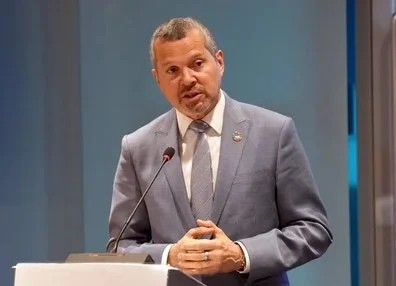
If the situation in the Strait of Hormuz represents an overturning of shipping’s international norms, it is just the latest of many in the last five years, with vessels treated as viable military targets and coming under fire from well-equipped nation-states. Asked during a panel session at SMM whether it was time for shipping to take matters into its own hands by reinforcing them to withstand missile or drone attack, IMO Secretary General Arsenio Dominguez was unequivocal. “No,” he said. “The answer is no, we cannot.
“This is commercial shipping, our seafarers are not trained for combat and commercial ships are not designed to actually go into that sector.
Condemning the action taken by some shipowners, Dominguez reiterated IMO guidance: “The call remains in place for ships not to try to cross the Strait of Hormuz. I am still trying to understand the circumstances of why some shipowners are actually taking that risk.
“But we need safety and security, we are not turning commercial shipping into part of the global military naval fleet, because that’s not what shipping is all about. We are a sector that can provide a benefit around the world, not increase conflict.”
John Denholm, chairman of ICS, echoed the sentiments of his fellow panellist, saying: “Responsible shipowners do not route their vessels into danger. Very few ships are going through Hormuz. Seafarers are critical to our industry, and without seafarers we have nothing. We have got to keep them safe.”
Speaking with SMI on the sideline of the SMM opening ceremony, Denholm said that despite fears to the contrary, seafarers would maintain the skills needed to operate in an environment where nothing could be taken for granted.
“There was the belief that if Iran shut down the Strait of Hormuz, it would be reopened in a matter of days,” he noted. “It’s been six months. The problem is asymmetric warfare. They can shoot down anything with a million-dollar missile, but when it’s thousands of $15,000 drones… I don’t think military might can open Hormuz, [only] peace can.”
Meanwhile, the ability to “navigate without GPS is still taught as an essential skill for a Master,” he added. “There is danger that time goes by, that we forget how to do it. But they are qualified to navigate without GPS. I was on a vessel a couple of years ago and the GPS screen went black. They can do it.”