
INTERTANKO calls for diplomatic solution to crisis after IMO evacuation plan paused due to drone attack
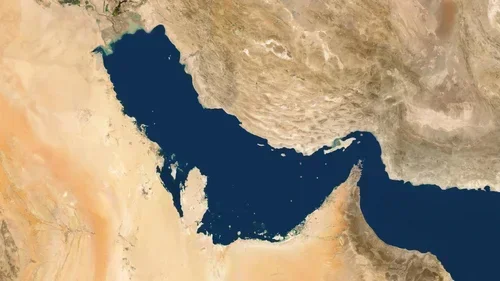
On Friday, the IMO was forced to pause its evacuation plan following a presumed Iranian attack on an Evergreen vessel using its approved Southern (Oman) transit corridor. A further strike has since been reported on a Panama-flagged vessel
Tim Wilkins, INTERTANKO’s Managing Director, commente that the latest developments highlighted “the fragile nature of the situation in the Strait of Hormuz and the urgent need for a diplomatic resolution to resuming safe transits.”
President Trump on social media accused Iran of having shot at least four drones at traversing ships, with one hitting, in a “foolish violation” of the 60-day US-Iran ceasefire agreement. The Iran Revolutionary Guard Corps (IRGC) had previously warned that attempts to use the Southern (Oman) route would be “dangerous” and that all transits should be coordinated with Iran. The US military retaliated with air strikes on Iranian missile and drone storage facilities and coastal radar positions. In turn, Iran accused the US of having violated the ceasefire, and is believed to have launched fresh attacks, including on land-based naval infrastructure in the Gulf and on a Panama-flagged vessel. More US strikes occurred, before unconfirmed reports say the two countries have now agreed to ‘stand down’ hostilities.
Meanwhile, in a briefing to press on Friday (26 June) afternoon, IMO Secretary-General Arsenio Dominguez explained that IMO’s Evacuation Plan, announced earlier that week, had been paused in the interests of seafarer safety, pending guarantees from the authorities concerned – including Oman, US and Iran – that no more vessels would be attacked. Some 115 vessels carrying 2,500 seafarers had successfully transited the Strait and left the Gulf in the three-and-a-half days the evacuation plan was in force, he said, while around 500 vessels and 8,500 seafarers remained trapped.
In response to the Secretary-General’s briefing, INTERTANKO clarified that it continues to advise Members that, if possible, they
should delay transits through the Strait until the situation is clearer. However, if they are planning to use the Southern (Oman) route then they should contact the US Navy to ensure the latest information regarding the threat and route is available. The Northern (Iranian) route remains a cause for concern, points out INTERTANKO, due to the requirements of the Persian Gulf Straits Authority (PGSA) that present sanctions, contractual and insurance risks to owners.
Despite the relative initial success of the IMO plan, there are issues and ambiguities that need to be addressed in any follow-up measures to ensure safe navigation, INTERTANKO believes. The body’s Marine Director, Phillip Belcher, said: “We would like to see more active vessel traffic management, and 24/7 transits through the routes as we feel it is the best way to ensure full, pre-conflict-level numbers are resumed, while providing navigation safety for the seafarer.”
INTERTANKO continues to raise concerns over the long-term implications of the US-Iran MoU and would like clarity on the 60-day limit and planned imposition of mandatory Iranian insurance. Joint statements by both Iran and Oman have indicated that costs will be imposed on traffic. The 60-day negotiation deadline and recent announcements create significant uncertainty and added pressure on owners and seafarers when considering safe transits. Wilkins added: “This, of course, goes against UNCLOS in that vessels’ rights to transit are seemingly revoked with freedom of navigation being ignored.”
Meanwhile, The Maritime and Port Authority of Singapore (MPA) confirms that the Singapore-registered container ship EVER LOVELY had sustained minor damage to the bridge area from an “unknown projectile” while leaving the Strait of Hormuz on 25 June at about 10pm (Singapore Time). All 21 crew members were reported safe and the vessel was able to continue on its voyage.
MPA says it will continue to remain in close contact with the vessel's management company and provide the necessary assistance. It remains “deeply concerned about the incident, which was unprovoked, unjustifiable, and a breach of international law. All actions affecting international shipping must fully comply with international law, in particular the United Nations Convention on the Law of the Sea, and not endanger the safety of seafarers and ships at sea.