
Potential of nuclear-powered ships moves to forefront at Posidonia 2026
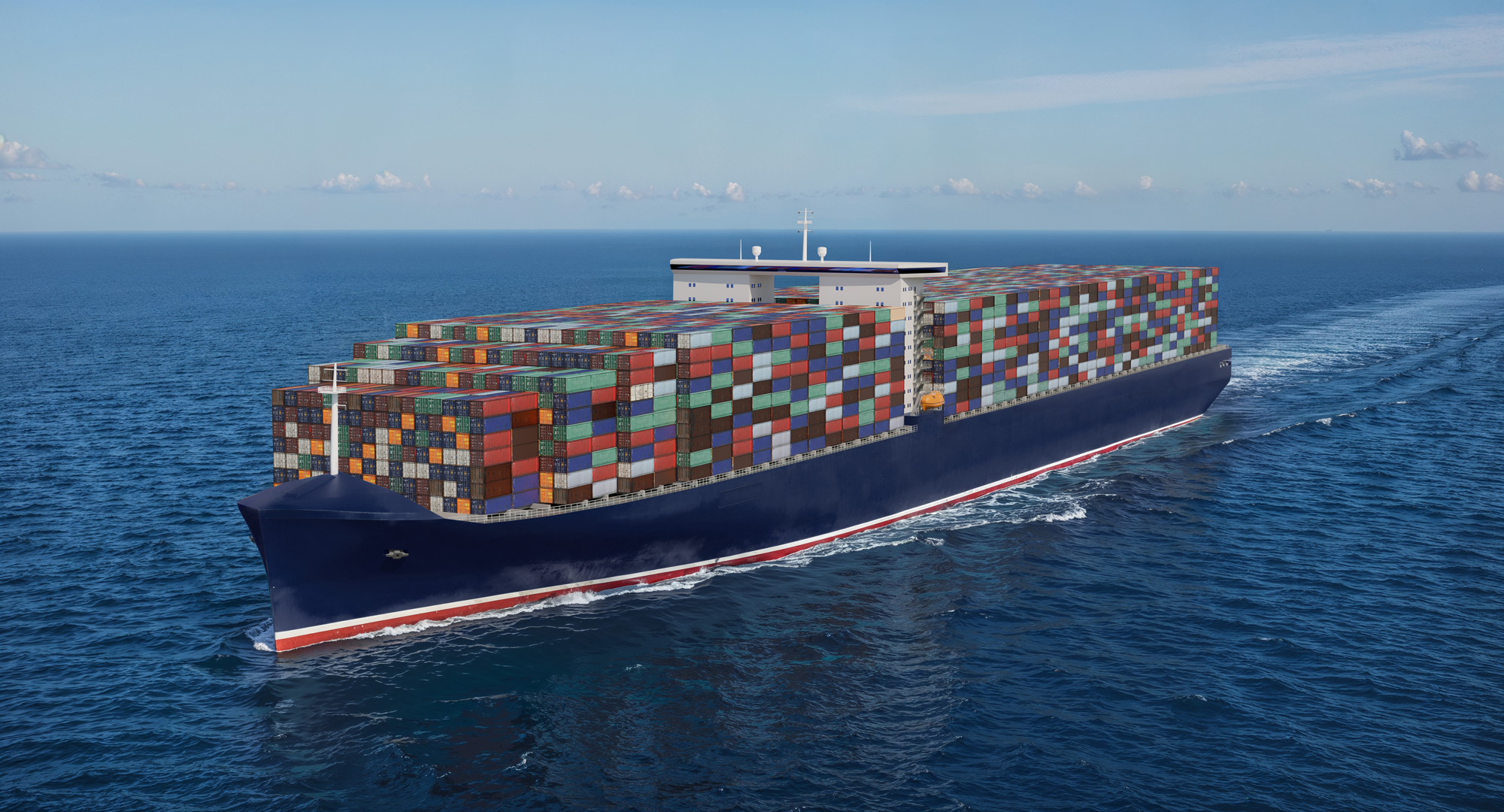
Could the next great leap in maritime propulsion come not from alternative fuels, but from the atom? That question will move from the margins of industry debate to centre stage at Posidonia 2026, during a high-level Executive Briefing that will examine the role of advanced nuclear technologies in commercial shipping and near-shore power generation.
Hosted by CORE POWER, a leading developer of civil maritime nuclear propulsion and shipyard-assembled floating nuclear power plants in the OECD, the gathering will convene leaders from shipping, ports, finance and energy to assess whether nuclear propulsion is transitioning from concept to commercial reality.
According to Charlotte Vere, Group Head of Market Development at CORE POWER, the conversation has already shifted. “This is no longer a theoretical discussion,” she notes. “We are seeing real engagement at government level among shipowners, banks, insurers and ports. What matters now is momentum, and that momentum is building. Recent government-to-government collaboration focused on maritime nuclear is a strong signal that serious work is underway to create the enabling conditions for deployment.”
The seminar will explore how advanced nuclear propulsion could enhance fleet competitiveness by offering long refuelling intervals, between 5-7 years, insulation from fuel price volatility, and operational flexibility. It will also examine floating nuclear platforms capable of supplying reliable, high-density clean energy to ports and coastal industrial hubs.
Dr. John Kokarakis, Chair of SNAME Greek Section and Technical Director at Bureau Veritas’ SEEBA Zone, describes the nuclear sector as “pre-commercial but no longer hypothetical.” He points to key milestones achieved in 2025, including the Approval in Principle (AiP) for a nuclear-powered LNG carrier concept using molten salt reactor technology, the establishment of the Nuclear Energy Maritime Organization (NEMO), and the IMO’s formal process to modernise the 1981 Code of Safety for Nuclear Merchant Ships.
“Early pilot vessels could appear in the mid-2030s,” he suggests, “but broad adoption depends on regulatory, insurance and port-state alignment.”
The fact that Posidonia 2026 will host a dedicated executive seminar on civil maritime nuclear propulsion signals highlights how far the conversation has evolved, especially in a country which controls roughly 20% of global merchant tonnage. While no public nuclear newbuilding orders have been announced, discussions are reportedly underway in policy and industry circles. Greek institutions, classification societies and international organisations —including the IAEA— have engaged in structured dialogue on maritime nuclear frameworks.
Whether nuclear-powered merchant fleets will materialise in the mid-2030s or remain confined to demonstration corridors depends on regulatory reform, financing innovation, public acceptance and global cooperation.
Posidonia 2026 will be held at the sold-out Metropolitan Expo from 1-5 June and is organised under the auspices of the Ministry of Maritime Affairs and Insular Policy, the Hellenic Chamber of Shipping and the Union of Greek Shipowners, with the support of the Municipality of Piraeus and the Greek Shipping Co-operation Committee.