
War in the Gulf: The first 48 hours and what comes next
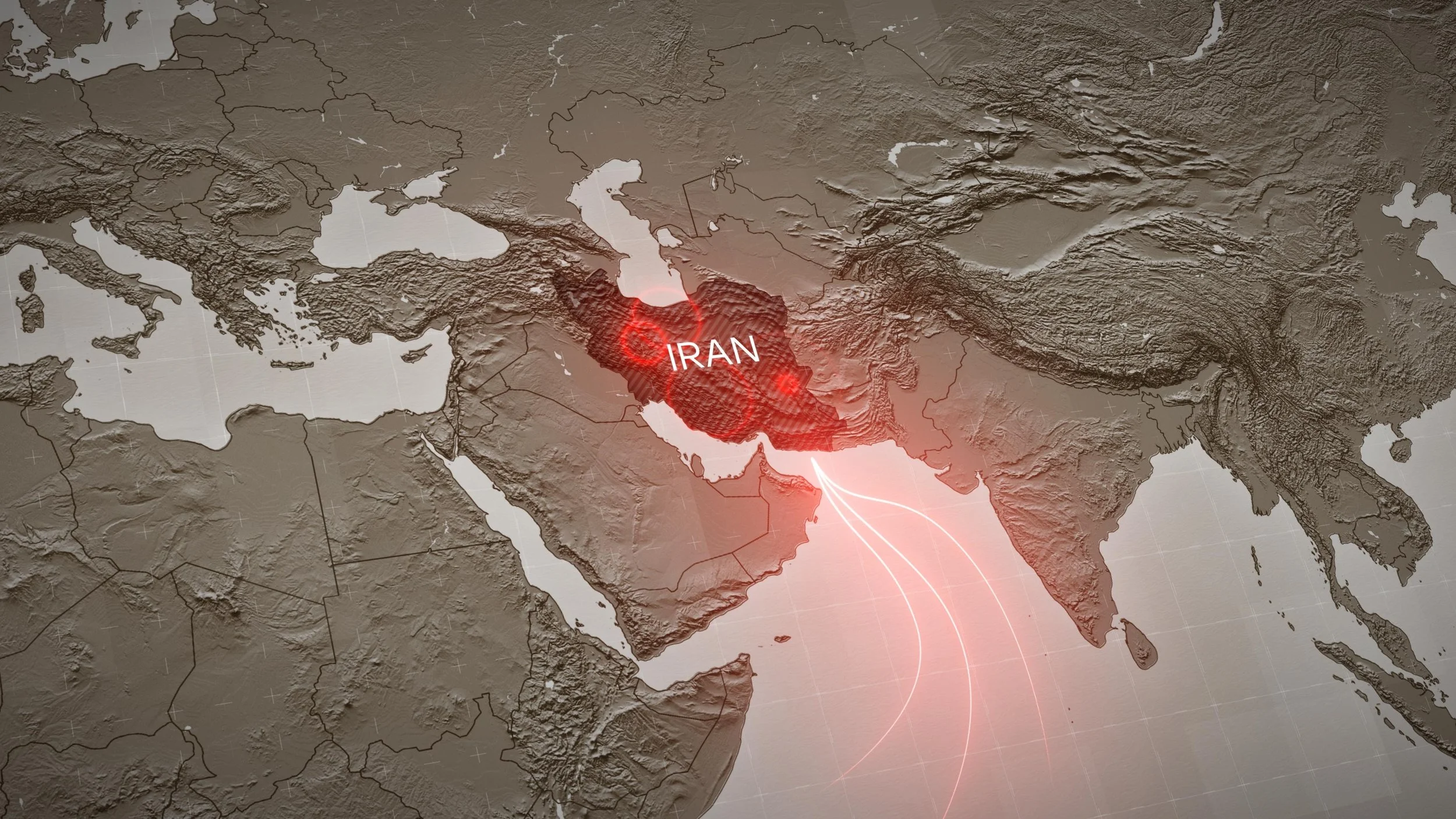
Intelligence specialist Windward Maritime AI reports that The Strait of Hormuz, through which 20% of the world's oil supply transits daily, is now practically closed following US/Israeli military strikes on Iran that began over the weekend, and iran’s retaliatory moves. Iran's naval forces are broadcasting transit bans on VHF – with a threat of a “serious response” made to any vessel trying to enter the area.
As a result, Windward continues, tankers are turning around and war risk insurers are cancelling policies. Houthi forces have announced they're resuming attacks on Red Sea shipping.
Forty-eight hours into ‘Operation Epic Fury’, Windward says six structural shifts are visible:
- Traffic remains selective, not frozen: Energy flows have slowed and rerouted, particularly among Western-affiliated vessels, with LNG movements reacting faster than crude.
- Visibility is degraded: Dark transits and AIS unreliability undermine cooperative monitoring systems, increasing reliance on multi-source verification.
- Electronic interference is now a primary risk vector: GPS denial is affecting both navigation and compliance systems simultaneously.
- Insurance markets will shape routing: War risk premium adjustments early this week will influence whether deviations become sustained avoidance.
- Enforcement and exposure now intersect operationally: Sanctioned vessels remain active in the region, where kinetic risk, sanctions exposure, and counterparty risk are converging in real time.
- Regional spillover is evident: Red Sea defensive AIS messaging and destination rewrites indicate precautionary behaviour extending beyond Hormuz.
However, Windward points out that this crisis is moving fast, and other reports say the Strait of Hormuz is now ‘effectively closed’ to all shipping. Windward MIOC and its experts are publishing real-time analysis, behavioural intelligence, and operational insights across our social channels as the situation develops.