
Supporting women at sea – The critical role of updated Maritime Labour Convention
As the maritime industry faces rising pressures - from workforce shortages to evolving safety expectations and the drive for long‑term sustainability - diversity has become an essential pillar of progress. This is especially true in the ongoing effort to support more women entering and advancing in seafaring careers. With the release of the ‘Guidelines on the Application of the ILO Maritime Labour Convention (Fifth Edition)’, the International Chamber of Shipping (ICS) is shining a renewed spotlight on the lived realities of women at sea and the practical measures shipowners can take to foster safer, more inclusive workplaces.
Findings from the IMO–WISTA Women in Maritime Survey 2024 show modest progress ashore, with women now accounting for around 19 per cent of employment across surveyed maritime organisations within IMO Member States. However, this improvement contrasts sharply with conditions at sea. According to the BIMCO/ICS Seafarer Workforce Report 2021, women represent just over one per cent of the global active seafarer workforce, while separate maritime education and training data cited by the IMO and WISTA suggests that only around five per cent of seafaring students are female.
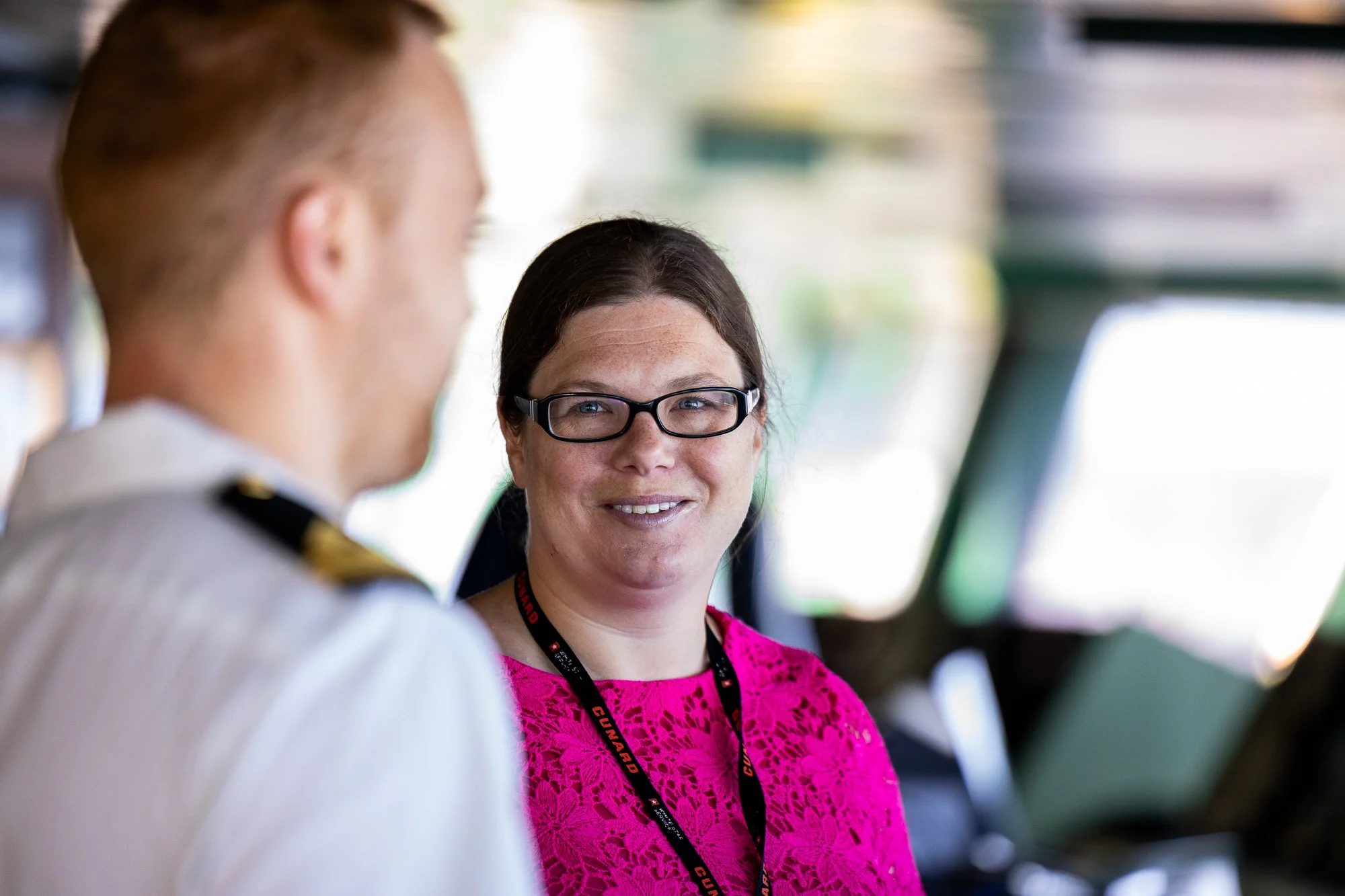
For Sarah Lovell (pictured), Technical Content Development Manager at ICS and a former seafarer, these figures highlight why diversity must remain central to the maritime agenda: “A diverse workforce is essential if the maritime industry is to keep improving and remain competitive. Diversity enables us to adapt, innovate, and progress in step with other sectors.”
Lovell’s perspective is rooted in her early career, when women were scarce within training cohorts and almost absent from senior roles. A defining influence came when she sailed with one of the UK’s first female Captains, an experience that offered guidance and set an enduring example. Today, she sees encouraging signs: more female cadets, more women progressing into officer ranks, and a growing online presence that highlights women’s achievements at sea. That visibility, she believes, plays a powerful role in reassuring and inspiring those considering a seafaring career. Alongside this, the emergence of support networks - largely absent when she began her training - has created spaces where women can share experiences, build confidence, and strengthen resilience.
Despite this progress, daily challenges remain, often rooted in the practical realities of working and living on board. One major area addressed in ICS’s new guide is menstrual hygiene provision. Lovell highlights situations many women face but seldom articulate: being caught without sanitary products while on watch, relying on shared bathrooms that lack sanitary disposal facilities, or feeling reluctant to request a brief break during a night watch to access essential items that might not be to hand.
For more information and to order the ‘Guidelines on the Application of the ILO Maritime Labour Convention (Fifth Edition)’, please visit the ICS Publications website