
IMO’s Marine Environment Protection Committee ‘back on track’ towards consensus on global shipping emissions.
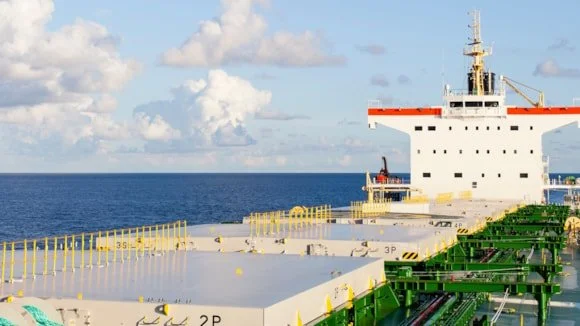
The Marine Environment Protection Committee of the IMO concluded its 84th session with a commitment to rebuild consensus on global shipping emissions, while sounding the alarm over environmental risks in the Strait of Hormuz and adopting new measures to curb air pollution in the Northeast Atlantic.
Closing the meeting, held from 27 April to 1 May 2026 in London, IMO Secretary-General Arsenio Dominguez said: “We are back on track, but we have to rebuild trust. I encourage you to maintain this momentum through your intersessional work and to prepare submissions that can bring the membership together.”
The Committee will resume its Second Extraordinary Session on Friday 4 December 2026, subject to confirmation by the 85th session (MEPC 85) scheduled to convene 30 November to 3 December.
Nearly 100 delegations took the floor this week to voice their views on the adoption of “mid-term measures” to address greenhouse gas (GHG) emissions from ships - known as the IMO Net-Zero Framework - with multiple proposals tabled on how to take forward negotiations.
The Committee agreed to establish an intersessional Working Group to resolve various concerns and drive broader convergence on a global measure ahead of MEPC 85 in six months. Member States will be able to submit new amendments and adjustments to the draft amendments previously approved.
Two inter-sessional meetings will be scheduled (1 to 4 September and 23 to 27 November) ahead of MEPC 85 (30 November to 3 December), as well as a one-day expert workshop on “chain of custody” models, which track fuel origin and movement of fuels across the supply chain, ensuring emissions are properly traced and verified.
The second extraordinary session of MEPC (adjourned last October) is scheduled to resume on 4 December, subject to discussions at MEPC 85.
The Committee also adopted a resolution condemning the attacks on commercial shipping in the Strait of Hormuz region and the related risks of marine pollution.
The Committee recognised the vulnerability of the Persian Gulf and adjacent waters, warning that these attacks could cause large-scale marine pollution such as oil, hazardous and noxious substances and hazardous residues arising from missiles, drones, fires and explosions.