
Havoc breaks loose in the Middle East
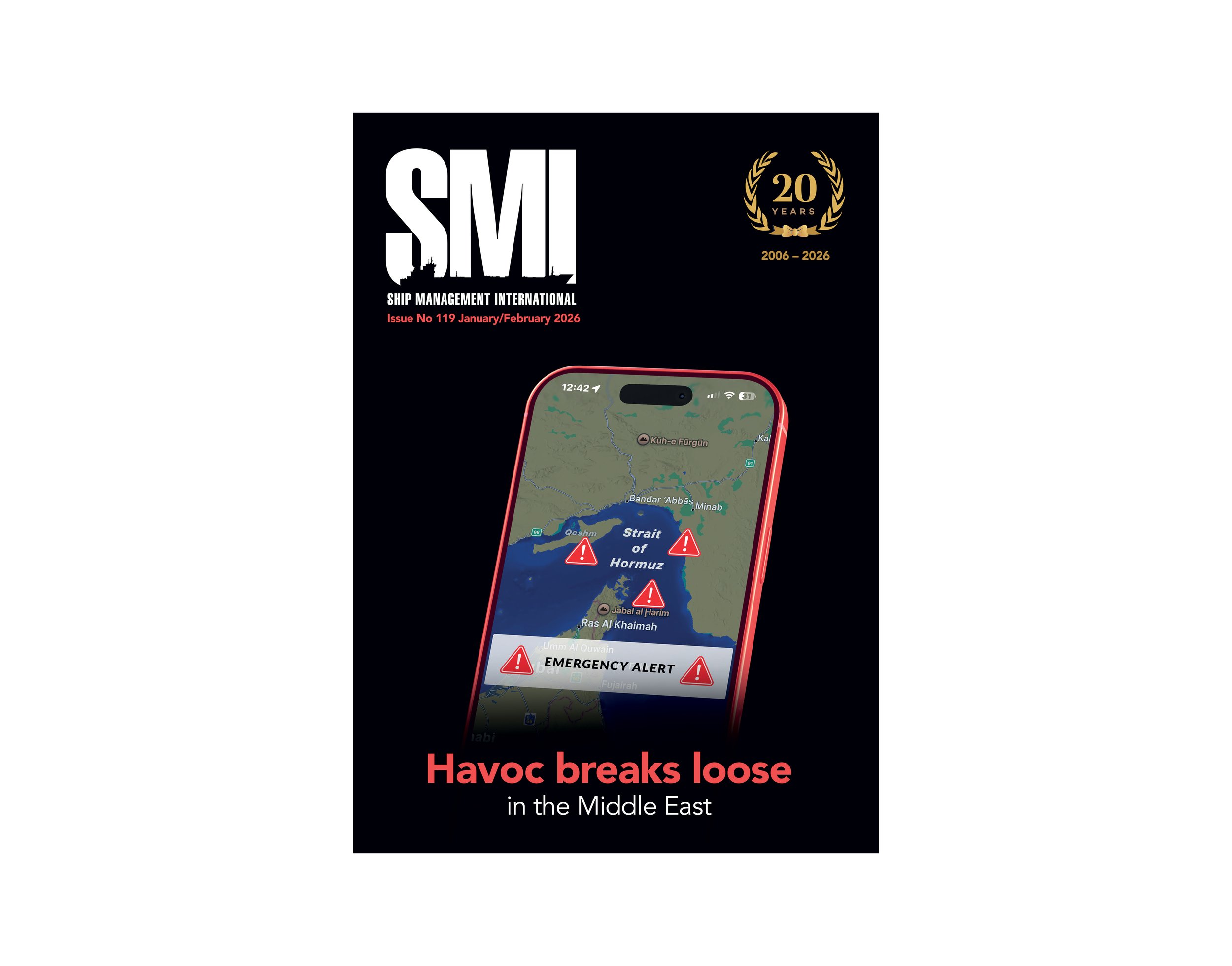
For anyone who thought 2025 marked ‘peak chaos’ for the shipping industry, the first two months of this year will have made them think again.
A whirlwind of disruption began with seizures of ‘shadow fleet’ tankers off Venezuela - and later further afield - which proved a prelude to forced regime change in that country and US annexation of the Venezuelan oil industry.
Then there was the US Supreme Court ruling that the Trump administration’s proposed imposition of varying import tariffs on different countries’ goods entering the US were illegal, to which Trump reacted by announcing an across-the-board tariff of 10%, swiftly upped to 15%.
Meanwhile Panama abruptly cancelled the port operating concessions of China-linked Hutchison subsidiary Panama Ports Company after 28 years of trouble-free operations.
But all this paled by comparison with the joint US-Israeli military attacks on Iran in late February, which were met by retaliatory missile strikes from Iran and its affiliate groups across the entire Middle East region.
Shipping-wise, the Houthis threatened to renew their attacks in the Red Sea area, and the Iran Revolutionary Guard Corps formally declared the Strait of Hormuz closed, Brigadier General Ebrahim Jabbari threatening that any ship seeking to pass through the Strait would be “set on fire”. Indeed, several tanker vessels in the vicinity of the Strait were fired upon, in one case tragically killing an Indian seafarer.
The situation quickly escalated. Virtually all shipping traffic in the area was brought to a standstill, with insurers cancelling certain types of War Risk cover and/or making it more expensive and widening ‘High Risk’ areas. Energy prices soared, causing economic shockwaves worldwide, and the US even suggested that naval escorts might be needed to allow commercial transits of the Strait to take place unhindered.
International shipping industry bodies - including IMO, ICS, ECSA, ASA, BIMCO, INTERTANKO, OCIMF, ISSA and InterManager - have been united in their repudiation of attacks on merchant vessels and innocent seafarers, and in defence of the principle of ‘freedom of the seas’.
As this issue went to press, it remained unclear how the situation would play out and over what period. It must be hoped that a minimum of lives will be lost and civilian infrastructure destroyed before peace is restored. And with it free and safe navigation across the Middle East region and rest of the world, without shipping becoming collateral damage in geopolitical ‘crossfire’.