
Insurance – Insurers’ response to the Iran war
An analysis by Limassol-based Aphentrica Marine Insurance Brokers
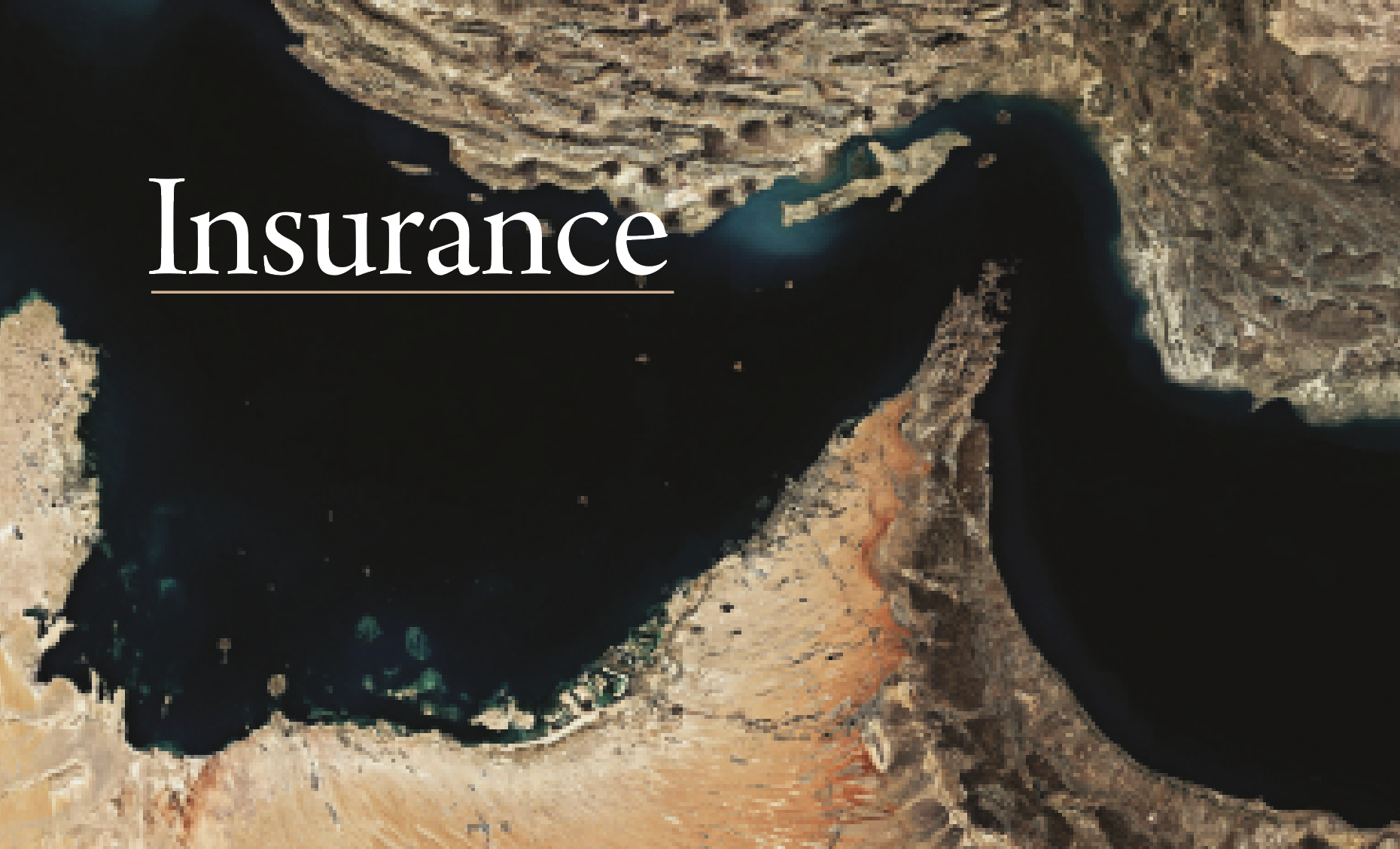
On 28 February, the world woke up to find a new outbreak of hostilities in the Middle East that quickly turned the entire region into a battlefield, with severe consequences for shipping and global supply chains. According to publicly available data, the closure of the Strait of Hormuz has ‘grounded’ more than 3,000 vessels, representing 4% of the global fleet, and according to the IMO, entrapped nearly 20,000 seafarers. Six cruise vessels were among the vessels that were stranded with thousands of passengers unable to return home, as the war has also brought air travel in the region to a virtual standstill.
Shipping was attacked daily. According to the IMO’s briefing on April 24th, there had been 29 incidents against ships, with 10 reported fatalities during these attacks, while ships had also been detained in Iranian waters.
Navigation through the Strait shrunk by some 95% due to the blockage while mines have also been detected – not limited to the Traffic Separation Scheme (TSS). Some vessels managed to get through the Straits, with the majority however, being linked to Indian, Iranian, Chinese and Middle East interests while there has been speculation of ‘transit tolls’ in the level of US$2 million to ensure safe passage. Iranian lawmakers are reported to br working on legislation to formalise transit fees on ships passing through the Strait despite freedom of navigation being non-negotiable under international law.
Faced with the significantly increased exposure, war insurers as well as P&I Clubs (on their fixed entries) have exercised their rights under their policies and issued Notices of Cancellation to allow them to re-evaluate their contracts and consequently their rating to reflect the enhanced risk. In parallel, the Gulf area has been broadened compared with the previously defined High Risk Area.
Overall, the market went into a ‘panic’ mode during the first week as insurers were trying to reset themselves and shipowners being concerned over the availability of cover which in some instances has been pulled, albeit temporarily. The vessels that were already in the Gulf before 28 February, entered under different circumstances and under different, much lower insurance terms.
Long term, what has probably been the biggest contributor to the anxiety among shipowners, charterers and insurers alike, is the rapidly changing picture between attacks and cease fires and the closing and re-opening of the Straits, the failed exit attempts and the uncertainty that the prolonged blocking has created. Some even feared of a scenario similar to the Russia-Ukraine war and the possibility of having to rely on their Blocking and Trapping Clause. This has caused great instability with war rates going up and down like elevators.
At the time of writing (in late April), in the last eight weeks since the beginning of the war we have seen rates fluctuate significantly. Persian Gulf rates, which were quoted around 0.125% with 50% No Claim Bonuses (NCB) for vessels entering before 28/02, with the clock stopping for time in port in most Gulf countries, now climbed to 1% at its highest peak – almost 10 times higher than before – with time in port now counting. In some instances, NCBs were also reduced and as the situation had somewhat calmed down, rates stabilised between 0.5%-0.75% and NCBs reinstated, with each risk being reviewed on a case by case basis. In monetary terms, some of these accumulated premia are in the region of millions of dollars depending on ship values making insurance almost unaffordable.
On the Strait of Hormuz transit side, rates in the beginning of March were around 3-3.5% and at some point a 10% was quoted for a risk. Thereafter transit rates fluctuated between 5%-7.5% at the time of writing, albeit with NCBs still at lower levels ranging from nil to max of 50% during announced ceasefires. Their validity, however, is only 24 hours and brokers and their clients find themselves working to secure cover today for them to be non-valid tomorrow. Additionally, the list of warranties imposed on such cover, in some instances, seemed impossible to meet considering the approvals required. In monetary terms, if we assume an LPG valued US$60 million, this would translate to a 12 hour transit premium ranging between US$ 1.8 – US$2.25 million (if we assume the 7.5% rate including a best case scenario of 50% NCB).
The United States has mooted the idea of a maritime reinsurance initiative, including war risk for both hull and cargo, aimed to insure losses of up to US$20 billion ‘on a rolling basis’ on vessels, in an effort to restabilise the flow of energy and commercial trade in the Gulf, which has temporarily challenged the realities of the London market. However, whilst the initiative has secured partners from recognised war leaders, it has not yet launched pending a viable security framework and the shipping industry does not appear to feel confident on how the scheme would function in practice.
While the market continues to provide cover, albeit at these high levels, it remains unclear how and for how long the shipping industry will be able to sustain these unforeseen costs and how the parties down the chartering chain will be able to absorb them. The industry is also bracing for the disputes that are manifesting from the disruptive effect on the contracts. Will the insurance market be faced with a situation of unpaid premia? Will we see an increase in FD&D disputes on the P&I side?
As the disruption continues, brokers are defending cover and monitoring developments ensuring their clients’ exposures are fully covered while they remain exposed to the hostilities in the area. Prolonged delays are affecting stranded vessels and conditions in this high-risk area have become an increasing humanitarian issue. Until the TSS is confirmed safe, the IMO is urging shipowners and operators not to make transits in ways that place seafarers’ lives at risk. De-mining and safe passage corridor arrangements should be a pre-requisite before any transit takes place.
The insurance market is standing by shipowners as it has always done, but the cost to the industry will only be quantified at the end of it all. Will the situation subside and equilibrium be re-instated or are we looking at a new status quo in the area? The only certain thing is that shipping never sleeps and that the shipping industry has always shown resilience through adverse circumstances.
At the time of writing, the prevailing feeling was one of hope with ceasefire negotiations ongoing. It is the sincerest hope of the authors that when this article reaches readers, the situation will have been resolved and not escalated.
• Aphentrica Marine Insurance Brokers Ltd. is a Limassol-based company with an extensive client base across Greece, Cyprus and Middle East countries. The company celebrated its 30th anniversary during Maritime Cyprus last October.