
Chemical spill may have caused ferry fire in the Philippines
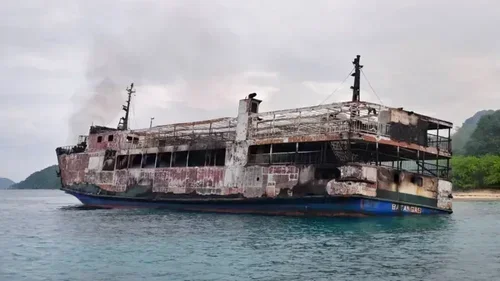
The fire that broke out aboard the Philippine ferry June Aster on 9 September, killing 77, may have been caused by improper stowage of dangerous chemicals, Philippine News Agency reports.
A Bureau of Fire Protection (BFP) investigation found that a cargo of calcium hypochlorite, an extremely reactive oxidising agent with corrosive properties, was stowed at the rearmost portion of the cargo deck, adjacent to blocks of combustible asphalt. Rough seas may have caused the chemical to spill and he asphalt ignite, giving off highly toxic fumes as the fire took hold. Many of the passengers were in their bunks and would have suffocated before realising there was a fire, said the BFP, helping explain the high number of casualties.
Immediately following the incident, suspicion had fallen on the self-ignition of an Electric Vehicle (EV) battery, causing the Philippines authorities to review safety protocols for onboard carriage of EVs.