
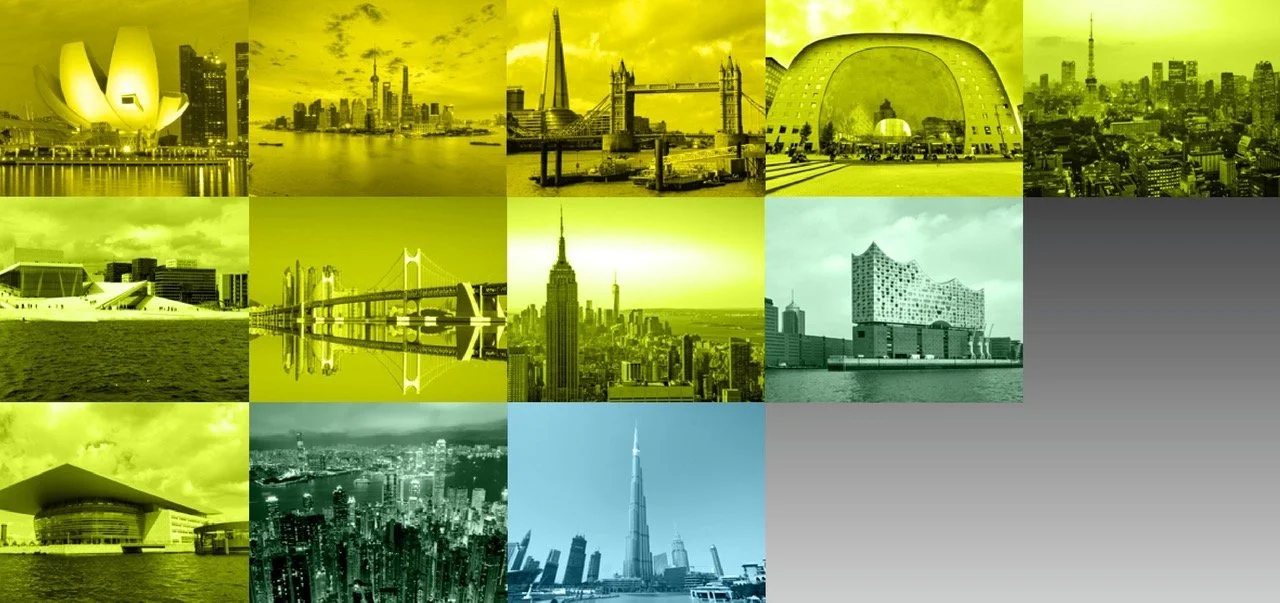
Singapore holds onto its position as the world’s leading maritime city in the 2026 Leading Maritime Cities (LMC) report from DNV and Menon Economics. Asian cities take three of the top five, with Shanghai second and Tokyo fifth, while European cities, London and Rotterdam, rank third and fourth respectively.
Having held the top position since the first edition of the report in 2015, Singapore combines large managed and owner-controlled fleets with a globally important port, strong liner connectivity, alternative-fuel bunkering capability and a wide range of maritime services.
Compiled by DNV and Menon Economics, the LMC report assesses which cities provide the strongest environment for maritime companies and professionals to connect, operate and grow. The report benchmarks each city across five pillars: Shipping, Maritime Finance and Law, Maritime Technology, Ports and Logistics, and Attractiveness and Competitiveness.
Singapore ranks first in three of the five pillars, retaining the top spot in Shipping, Ports and Logistics, and Attractiveness and Competitiveness, while placing third in Maritime Finance and Law and fourth in Maritime Technology.
Cristina Saenz de Santa Maria, CEO Maritime at DNV, said: "This has been a year of disruption and adjustment for the maritime industry. Faced with these challenges, the leading maritime cities have demonstrated that leadership is built not on a single activity, but on breadth. Their results reflect the strength of the maritime communities they have built and their ability to respond as the industry changes. Looking ahead, continued collaboration, investment and knowledge-sharing will be essential to build on this progress and advance the maritime industry together."
Now in its seventh edition, the study initially assessed more than 15,000 cities using objective maritime indicators to identify 50 candidates for the final ranking. These cities were then benchmarked using 48 objective and subjective indicators across five pillars. The assessment incorporates responses from more than 200 maritime industry experts globally.
The 2026 edition introduces new and updated indicators to reflect changes in the maritime industry and the factors shaping the competitiveness of maritime cities, including the energy transition, technology, talent and resilience. As the framework has evolved, changes in rankings compared with previous editions should be considered in the context of these methodological updates.
The full report can be downloaded from the DNV website.