
Review 2025 / Preview 2026 (Part 1, companies A-E)
SMI asked a number of companies across different sectors of the shipping industry what they saw as having been the main trend in their sector during 2025, and how they saw this evolving - or how they would like it to evolve - in 2026?
Below are their answers, listed by companies in alpha order, in some cases edited slightly for reasons of space.

AVS Global Ship Supply - Serpil Akşehir, Business Development Director
Sustainability and wellbeing have clearly defined 2025 for our industry. At AVS, we have embraced these priorities not as trends, but as responsibilities.
We help vessels adopt sustainable supply and waste management practices that significantly reduce their environmental footprint. This includes our collaboration with AQUAREX to introduce AVS Water, an onboard filtration solution that eliminates the need for bottled water and saves more than 12,000 plastic bottles per vessel per year, improving storage efficiency and reducing costs.
At the same time, with our Seafarers Wellbeing platform, we continue to provide psychological support and resources to improve the mental health of crew members at sea.
Both initiatives are aligned with our commitment to the UN Global Compact principles, driving meaningful progress across environmental and social dimensions. As we move into 2026, we aim to deepen this integration — delivering not only supplies and services, but also sustainability and care as part of our promise to the maritime community.

Britannia P&I Club - Jacob Damgaard, Head of Loss Prevention:
In the P&I insurance sector we continue to see a high number of container and car fires. With the shipment of second-hand cars and used lithium-ion batteries the trend is likely continue, although, the industry is proactively working together to mitigate the risk.
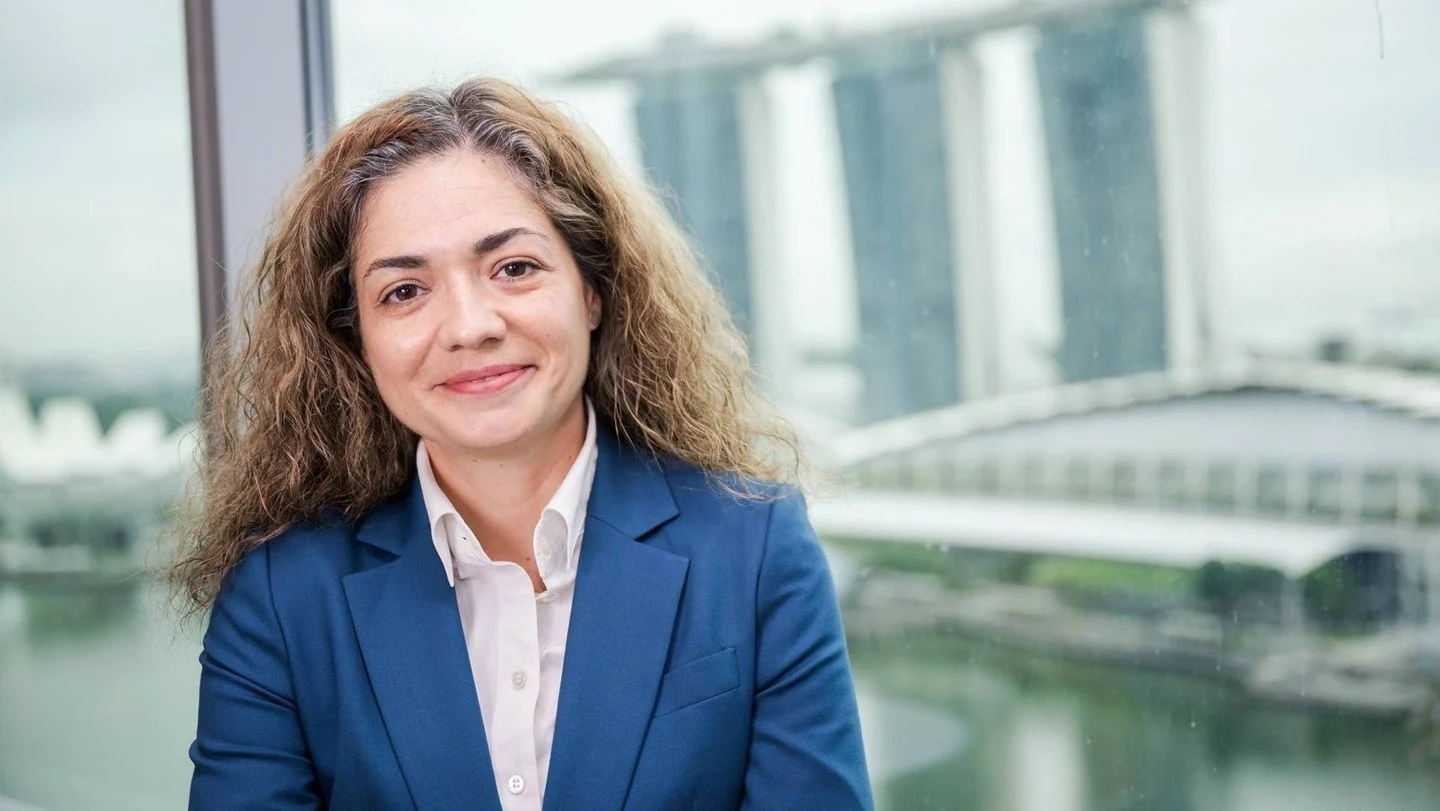
Columbia Group - Simona Toma, Chief of Maritime HR
In 2025, the biggest trend has been the rapid push toward digitalisation and smarter ship operations, paired with a clear shift in what seafarers actually want from their careers. While many in the industry are reporting growing shortages, we have kept stable crewing levels because our approach puts the seafarer at the centre. What we see instead is a change in preferences. Younger officers and crew are increasingly drawn to tankers, offshore units and cruise ships because of the competitive pay, shorter rotations and the variety these environments offer. They want both professional satisfaction and personal wellbeing.
At the same time, technology has continued to move fast. More automated systems and AI driven tools mean crews need stronger digital skills, better cybersecurity awareness and more confidence in handling advanced equipment. For us, a key focus has been preparing people for LNG operations and alternative fuels, since LNG competence will be the base for future fuels like ammonia and hydrogen.
Looking ahead to 2026, I expect these trends to grow. Continuous learning, flexible training and strong leadership development will be essential. Technology will keep evolving, but human judgement will stay the strongest safeguard onboard. Our role is to make sure seafarers are ready for what comes next and feel that every career choice they make is worthwhile.
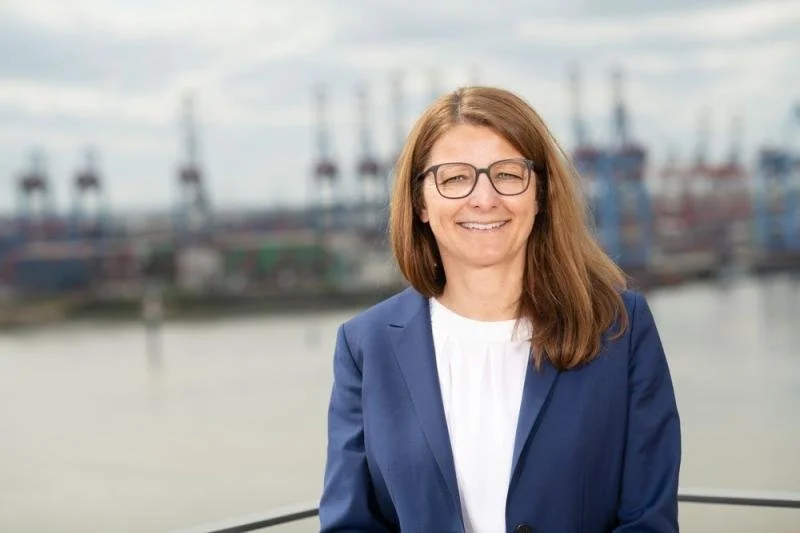
Columbia Group – Claudia Paschkewitz, Director of Sustainability and Diversity
As we move into 2026, digitalisation, voyage optimisation and predictive maintenance—exemplified by the Columbia Group’s Performance Optimisation Control Room—will further enhance operations. Yet people will remain at the centre of everything we do, supported by technology, which is why we invest in lifelong learning. Despite shifting regulations such as the Net Zero Framework or CSRD, our sustainability commitment stands firm. Strong partnerships are crucial in order to offer customers tailor-made complete solutions, such as the comprehensive platform provided by the Columbia Group, which offers tailor-made, integrated solutions for the shipping, logistics, leisure, energy, and offshore sectors.

Copenhagen Business School - Irene Rosberg, Programme Director for The Blue MBA and the Blue Board Leadership Programme
There was a time we focused on efficiency and logistics, now our focus has shifted to sustainability, geopolitics, digitalisation which is driven by the speedy technological advancements, by the strict regulations, by the disruptions which we are facing due to the geopolitical challenges.
I would expect this trend to continue in 2026. This also calls for a new approach to leadership where the need to focus on these issues requires a different set of skill sets, not only in the leadership positions but also in the board rooms. We need to have the right skills in leading positions in the maritime industry.
We see the demographics changing; we see younger and digitally literate professionals who are building a more inclusive, more diverse, and a lot more digital savvy leadership pipeline. In a way, it is no more a requirement to have sailed to be considered for management jobs in the maritime industry, which in turn, gives some of the competent female colleagues also a level playing field. We can see a change in that area as well, slow but nevertheless a change.
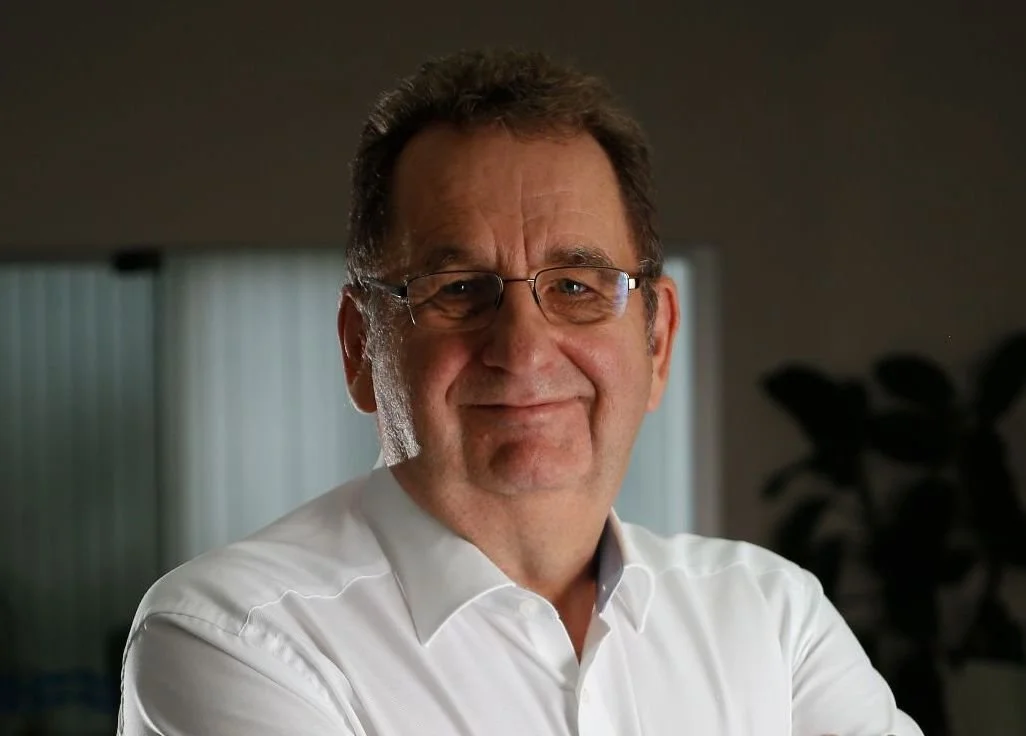
Danica Crewing Services - Henrik Jensen, CEO
The defining trend of 2025 has been the shift to a candidate-driven job market in some areas. Qualified seafarers now routinely have multiple job offers, and the majority actively scan the job market while at home. Traditional approaches like higher salaries alone are not enough. Crew wellbeing and mental health have become more important factors in people's decision making.
A big talking point in 2025 has been the growing worry about keeping hold of experienced crew. Danica’s latest survey shows many seafarers now planning to retire earlier which is the last thing the industry needs. If we are serious about retention, then improving day to day safety, security and general well-being has to be a priority and not just a slogan.
There are also things we simply need to stop. We cannot keep putting crews in danger by sending them into conflict zones without their consent, and the unjust treatment of innocent seafarers when something goes wrong is something the industry should have stamped out long ago.
Looking to 2026, we need a genuine culture shift toward proactive rather than reactive support. The next generation of seafarers expects employers who view their wellbeing just as fundamental as their role. Our people aren't just our greatest asset, they're the competitive advantage that will define which companies will attract the best talent and increased business.
Progress will also depend on how quickly we modernise. New technology can make ships safer, cleaner and more efficient. It can also help show younger people that this is an industry worth joining, one that offers real responsibility and proper hands-on technical work.

Fuelre4m - Paul Bayliss, General Manager, Maritime
In 2025, the primary trend has been a decisive shift from decarbonisation theory to measurable vessel performance. Shipowners increasingly demanded real-world, data-driven proof of efficiency gains, rather than long-term projections.
This focus on validated results, consistent trial methods, and transparent power and emissions data is set to strengthen in 2026. I would like to see the sector adopt unified performance standards, closer collaboration with class and OEMs, and a more evidence-based approach to approving technologies that improve today’s fleet while preparing for tomorrow’s fuels.