
The Nautical Institute names Captain Ann Pletschke as Project Manager for STEER Project
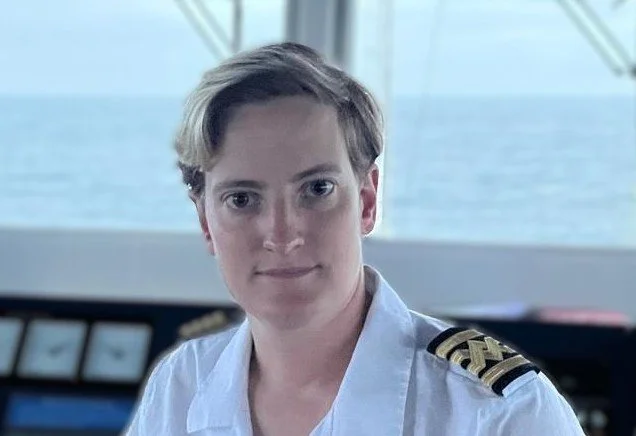
The Nautical Institute is pleased to announce the appointment of Captain Ann Pletschke CMMar CMarTech FNI as Project Manager for the STEER Project (Seafarer Technology Engagement, Empowerment and Resilience), delivered in collaboration with Lloyd’s Register Foundation. The Institute is also delighted to confirm that Captain Aly Elsayed AFNI, Senior Technical Manager, will provide specialist technical support as a member of the STEER Project team.
The STEER Project explores the real-world impact of the combined introduction of new systems and working practices at sea. While individual technologies undergo rigorous testing, little is known about their collective impact on seafarers’ operational safety and effectiveness, mental and physical health. This project’s global research and engagement initiative is designed to answer that question, act on the findings and drive safer outcomes for those who work at sea.
A Master Mariner at the heart of the STEER Project Captain Ann Pletschke brings more than 25 years of seagoing and shore-based experience to the project, including offshore operations and the design, management and operation of newbuild and existing autonomous vessels, marine assurance, vessel inspection and safety management. A Chartered Master Mariner (CMMar) and Chartered Marine Technologist (CMarTech), Captain Pletschke is also actively involved with the IMO MSC working groups for the MASS Code as part of The Nautical Institute delegation.
Reflecting on her new role, Captain Pletschke said: "I have seen a great evolution in how technology is introduced and used at sea. I have witnessed first-hand, most recently as a Master of a newbuild DP 2 vessel, both the benefits and the challenges for seafarers. This is why I am so passionate about leading the STEER Project.”
She added: "#ListeningToSeafarers is at the heart of this project. My vision is to ensure that no demographic is left unheard, including those who have dealt with the technological shifts over the past 50 years and those who will work in a very different maritime environment in 50 years to come.”
Supporting the project, Captain Aly Elsayed AFNI brings over 25 years of maritime industry experience spanning vessel operations, maritime training and applied research. A Master Mariner with 14 years at sea onboard oil and chemical tankers, he holds deep operational expertise and, as a former simulation instructor, brings specialist experience in simulation-based ship handling and technical training. Captain Elsayed also represents the Institute at the IMO, contributing to the MASS regulatory and technical discussions.
Commenting on the project, Captain Elsayed said: "The human element and human-centred design (HCD) are fundamental. Usability and ergonomics determine whether technology truly supports seafarers or overloads them. He added: Technology strengthens safety when systems are well aligned with human capabilities, supporting situational awareness, enabling better decisions and helping seafarers perform tasks effectively while managing workload. When that alignment is missing, distraction and cognitive load can increase, which may in turn raise the risk of human error."
The STEER Project is about listening to those on the front line, their experiences, insights and collective knowledge. Through workshops, surveys, events and research activities worldwide the project aims to engage seafarers, shipowners, equipment manufacturers, regulators and trainers. The findings will be used to create a practical toolbox, enabling the industry to adopt new technologies in a way that strengthens, rather than undermines, human competence, knowledge and expertise.
The Nautical Institute and Lloyd’s Register Foundation share a deep commitment to safety, sustainability and human-centred processes that improve the working environment at sea. Both organisations believe that the benefits of innovation must never come at the expense of those who work on our ships and keep global trade moving.