
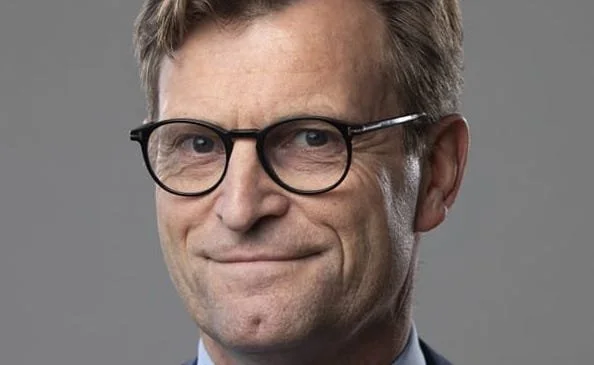
“As a bank, DNB is moving away from asking which fuel will win to how can I make sure my fleet remains competitive whatever happens,” Leif Håkonsen, DNB’s Head of Strategic Business Advisory and Support, Ocean Industries, told a media gathering in London attended by SMI yesterday.
The industry is financially strong, he explained, including a lot of capital with DNB clients, but at the same time a lot of uncertainty over future investment decisions. Many ship owners are in good financial shape and want to pay back their loans.
Looking forward, it’s more complicated, he continued. There’s an ageing fleet and large orderbooks in some segments. But geopolitics is changing trading patterns and on top of that there is the whole question of what the next generation of ships should look like.
“The question is where owners are prepared to put their capital to work,” he said. “It’s the big picture – not how you spend your money this week but how are you prepared to see this going – whether fleet renewal, propulsion technology, M&A, etc., or just timing.”
Owners still have to order ships even though they don’t know what regulations, fuel availability or carbon costs will look like. That is why efficiency is becoming more important, Håkonsen said, with DNB funding a lot of efficiency measures for clients.
Shipping is going to need a lot of capital, whether for newbuildings, energy efficiency or investing in new tech, he concluded. The tech is going to move faster than our ability to predict solutions. Geopolitics is probably going to remain a performance part of the investment equation.
In short, shipping is moving from a mature business to one of the world’s largest transition projects, with plenty of variables to factor in.
“The transition conversation has changed.”