
Ports of Stockholm and Turku mark two years of work on green shipping corridor with Viking Line
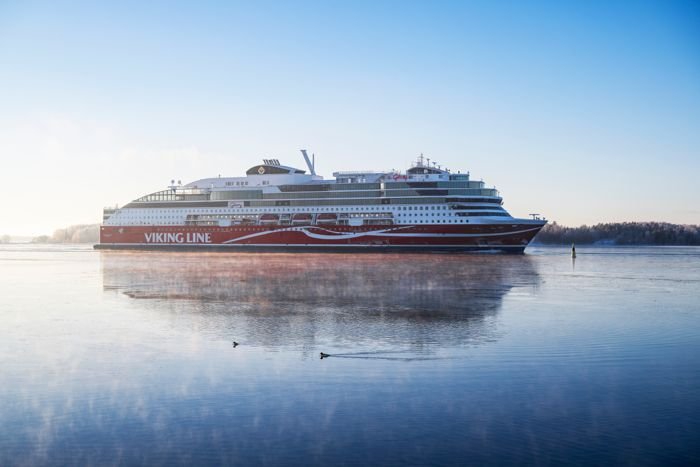
Over the past two years, Viking Line, Port of Turku and Ports of Stockholm have been working together to establish a green, fossil-free shipping corridor between Stockholm and Turku. The collaboration has resulted in a joint roadmap and several concrete advances in areas such as onshore power, electrical infrastructure and fossil-free fuels.
During this period, the parties have laid the foundations for further work through in-depth collaboration on technical solutions, planning and long-term infrastructure. A joint roadmap has been developed and adjusted over time, with the aim of achieving a fossil-free shipping corridor by 2035.
On the project's two-year anniversary, the parties gathered aboard the Viking Glory ferry to discuss the results achieved, lessons learned, remaining challenges and future opportunities.
"The collaboration on the green corridor is a clear example of how Viking Line is driving the transition to emission-free shipping,” says Marcus Risberg, CEO of Viking Line. “In just two years, we have taken major steps forward, not least thanks to our investment in renewable biogas. But the work requires continued commitment and close cooperation between shipping companies and ports, as well as contributions from politicians, decision-makers, authorities and relevant companies."
"We are proud of the concrete progress made during the first two years of the Green Shipping Corridor collaboration,” says Erik Söderholm, CEO of Port of Turku. “The studies and planning work for onshore power has progressed as far as we have been able to prepare for future solutions with pipelines being built as part of the Ferry Terminal Turku project. Another important milestone is the launch of our first public charging station for heavy vehicles in Finnish ports, at our truck parking area."
“The City of Stockholm has high climate ambitions, and shipping is crucial to the transition to fossil-free transport.,” says Deniz Butros, Vice Mayor for Housing and Real Estate Stockholm and responsible for Ports of Stockholm. “The task of ports is to make fossil-free alternatives available, and the Green Shipping Corridor project is truly at the forefront of this. I hope that our long-term strategic work on the port's electricity supply and electricity infrastructure will inspire the entire shipping industry."
During the first two years of the project, the parties have identified, prioritised and gradually worked on the most important goals and measures to reduce carbon dioxide emissions from shipping. The work is based on a joint project plan that is continuously updated and includes the following initiatives:
Viking Line
• Preliminary studies of battery installations on the ferries Viking Grace and Viking Glory
• Installation of Elogrids, a mesh grid installed on ship hulls to reduce water resistance, on the ships
• Tenfold use of renewable biogas by ‘Viking Grace’ and ‘Viking Glory’in 2025 compared with 2024
• Ensuring continued high levels of biogas use on ships (50 per cent throughout the first half of 2026)
• Increased sales of fossil-free travel on all ships
Port of Turku
• Study and pilot project for onshore power supply at the quay
• Zero emissions from Viking Line ships at berth – necessary onshore power infrastructure
• Zero-emission port facilities for all vehicles – charging infrastructure
• Opportunity for shipping companies to bunker sustainable fuels – Gasum with biogas
Ports of Stockholm
• Target: Zero emissions from Viking Line ships at berth
• Collaboration with external actors for sustainable transport to and from the port
• Opportunity for shipping companies to bunker fossil-free fuels