
Passing It On: Why knowledge sharing matters for the next generation of maritime leaders
As the maritime industry prepares to mark International Women’s Day, attention often turns to the theme of representation and how many women are entering the sector, advancing into leadership roles, or shaping the future of the industry. While representation remains important, many leaders argue that one of the most powerful ways to create lasting change lies in something more fundamental: the deliberate sharing of knowledge, experience, and opportunity with the next generation.
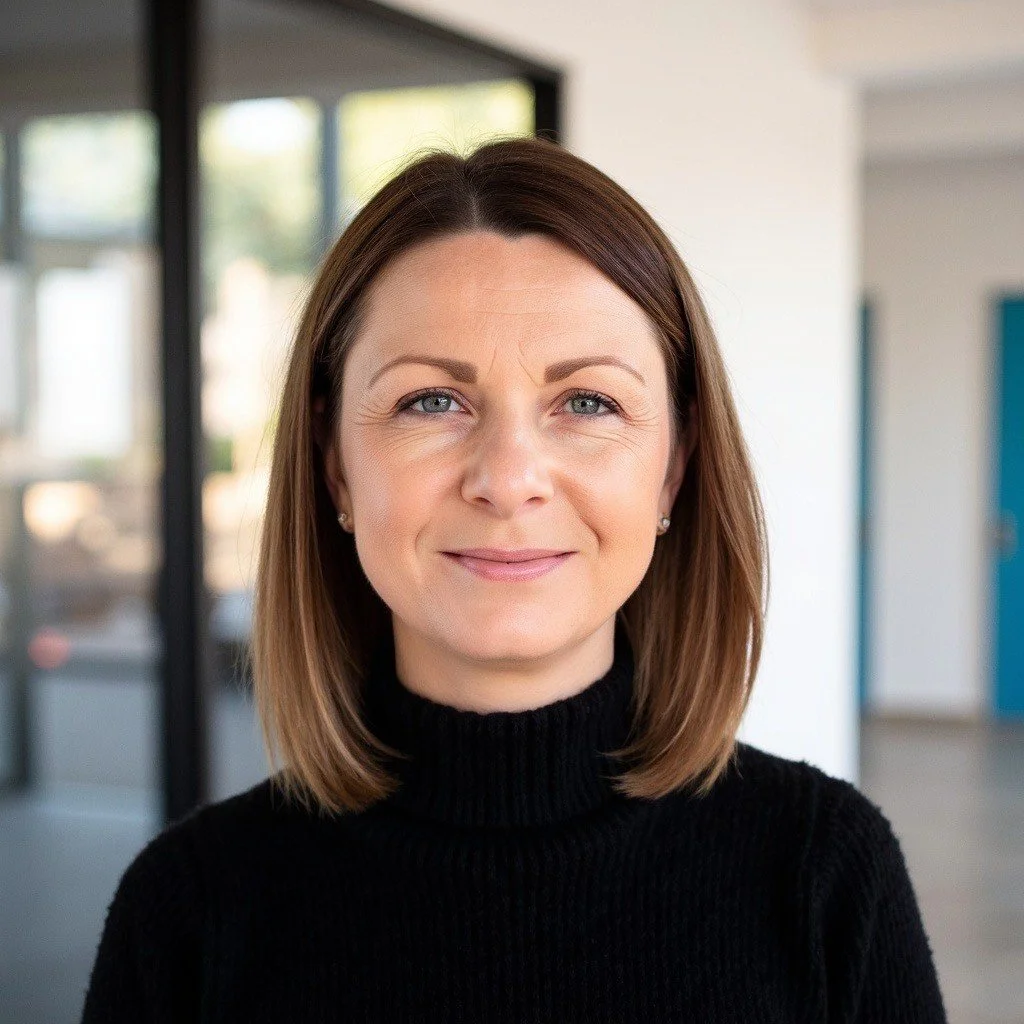
Rebecca Sperti, recently appointed Chief Commercial Officer at Idwal
For Rebecca Sperti, recently appointed Chief Commercial Officer at Idwal, the idea of “Give to Gain” captures this dynamic. Leadership, she suggests, is not only about delivering results in the present but about investing in people so they can grow into the roles that will shape the industry in the future.
One of the recurring challenges in career development, particularly for those entering demanding industries, is that individuals are often expected to feel ready before they step forward. In reality, confidence frequently follows opportunity rather than the other way around.
Reflecting on her own career progression, Rebecca notes that it was rarely defined by a single breakthrough moment. Instead, it was shaped by a series of incremental opportunities offered by leaders who were willing to recognise potential before it was fully realised.
“My progression wasn’t a grand plan,” she explains. “It was a series of small, often uncomfortable steps made possible by leaders who gave me opportunities, stretched me, and then supported me properly.”
These opportunities ranged from early commercial roles to broader leadership responsibilities, including expanding beyond sales into marketing, product and go-to-market ownership, taking on an MBA alongside a full-time role, and navigating the demands of growth in private equity-backed businesses. Each step required adapting to new challenges, often before complete confidence had formed.
What mattered most, she says, was not just the opportunity itself but the environment surrounding it. Support, sponsorship, and constructive challenge made it possible to turn stretch assignments into genuine development.
That experience has since shaped how she approaches leadership. Rather than waiting for individuals to signal readiness, she believes leaders should actively identify potential and provide the conditions in which it can grow.
“I try to back people early, give them a real stretch, and stay close enough to support them through it,” she says. “Because when you combine belief with development, you don’t just fill roles, you accelerate careers.”
In practice, the philosophy of “Give to Gain” translates into a leadership style focused on coaching, context, and ownership. For Rebecca, building strong teams requires more than delegating tasks; it requires actively transferring knowledge so others can build capability.
“In practice, ‘Give to Gain’ means investing time in coaching, sharing context, and giving people real ownership,” she explains. “When you give belief, challenge and sponsorship, you don’t lose capability, you multiply it.”
This multiplier effect is particularly important in industries where expertise is built over time and where operational decisions can carry significant financial and safety implications. Maritime is one such sector. The industry depends heavily on accumulated knowledge, from vessel operations and asset management to regulatory compliance and commercial negotiation.
Ensuring that this knowledge is passed on effectively is therefore not simply a matter of professional development. It is also central to the long-term resilience of the industry.
When experienced professionals actively mentor and share their insights, they also create the conditions in which younger professionals can develop the judgement required to operate confidently in complex environments.
Rebecca’s career has largely focused on technology-enabled service businesses operating in complex, multi-stakeholder environments. These environments often involve multiple functions: sales, product, marketing, operations, etc working together to deliver value.
In such settings, leadership involves more than managing individuals. It requires helping teams navigate complexity and understand how their work connects to broader organisational objectives.
“Clarity and consistency matter enormously,” she says. “As organisations scale, complexity increases. There are more stakeholders, more markets, more moving parts.”
Without clear direction, teams can easily become fragmented, optimising for local goals rather than collective success. Leaders therefore play a critical role in defining what good performance looks like and ensuring that teams remain aligned around shared priorities.
“The biggest difference comes from moving beyond managing individuals to managing complexity,” she explains. “That means making harder trade-offs, thinking cross-functionally, and understanding how commercial levers connect across sales, product, marketing and delivery.”
This perspective becomes particularly relevant in industries experiencing growth or digital transformation. Scaling an organisation successfully requires not only expanding teams but ensuring that knowledge flows freely across functions and regions.
“Scaling isn’t just about growth, it’s about disciplined growth,” she says.
As Chief Commercial Officer, Rebecca will oversee teams operating across multiple regions and markets. Creating alignment in such environments requires both structural clarity and strong interpersonal leadership.
For her, the starting point is clear priorities. When organisations expand internationally, complexity can increase rapidly. Without explicit guidance on what matters most, teams may begin to pursue different objectives.
“Alignment starts with absolute clarity on what matters most and, just as importantly, what doesn’t,” she says.
However, structural clarity alone is not enough. Alignment also depends on people feeling connected to a shared purpose and confident in how their individual contributions fit into the broader commercial strategy.
“Alignment isn’t just structural, it’s human,” she explains. “People need to feel trusted, heard and connected to something bigger than their own targets.”
Momentum, she adds, emerges when teams understand how their decisions, whether in sales, marketing, or account management, affect the wider commercial engine. When individuals can see this connection clearly, they are more likely to act decisively and collaborate effectively.
In high-growth environments, speed also becomes a defining factor. Clear ownership, simple performance metrics, and fast decision-making allow organisations to maintain pace without losing coordination.
“When you combine clarity with trust and accountability, growth becomes coordinated rather than accidental,” she says.
As she enters the maritime sector, Rebecca sees significant opportunities to apply lessons from other industries, particularly around the use of data to drive operational and commercial improvement.
In the construction sector (another asset-intensive and historically under-digitised industry) she observed how aggregating inspection and audit data could help organisations operate more efficiently and respond more effectively to regulatory and stakeholder demands.
“I saw first-hand how aggregating inspection and audit data can drive efficiencies, raise standards and support regulatory and stakeholder demands,” she explains.
She believes similar opportunities exist within maritime, particularly in improving transparency around vessel condition and supporting better asset-related decision-making.
“I see significant opportunity to unlock similar value in maritime,” she says. “Particularly in improving transparency, strengthening asset decisions and reducing operational risk.”
At the same time, entering a new industry presents its own learning curve, a challenge she welcomes.
“Stepping into maritime is deliberately stretching and genuinely exciting,” she says. “It’s a global, asset-intensive industry where trust, data and long-term value matter deeply.”
For her, the transition represents not only a chance to contribute experience but also an opportunity to learn from the depth of expertise that already exists within the sector.
“I’m looking forward to learning from the depth of expertise within the sector and gaining perspective that will continue to shape me as a leader.”
As International Women’s Day approaches, conversations around leadership often highlight the importance of role models. Yet Rebecca’s perspective suggests that role modelling is only one part of the equation. Equally important is the willingness of experienced professionals to actively share knowledge and create opportunities for others.
By giving time, guidance, and belief to the next generation, particularly those who may not yet see their own potential, leaders help build the capabilities that will sustain industries in the years ahead.
The principle is simple but powerful: when knowledge is shared and opportunities are extended, the benefits extend far beyond individual careers.
In that sense, “Give to Gain” becomes more than a leadership philosophy. It becomes a way of ensuring that experience, insight, and confidence continue to move forward strengthening teams, organisations, and industries for the future.