
Seafarers’ voices must shape the future of mental health support at sea, says OneCare Group
The shipping industry must listen more closely to the lived experiences of seafarers if it is to build working environments that genuinely protect mental health and wellbeing, OneCare Group has warned ahead of World Mental Health Day.
This year’s theme for World Mental Health Day on 10 October, ‘Lived experiences heard: real voices, real change’, calls for people with lived experience to play a meaningful role in shaping the policies, services and decisions that affect them. OneCare Group believes that means going beyond encouraging seafarers to speak about mental health. Their experiences must influence how vessels are managed, how leaders are trained, how welfare programmes are designed and how psychological and medical support is delivered.
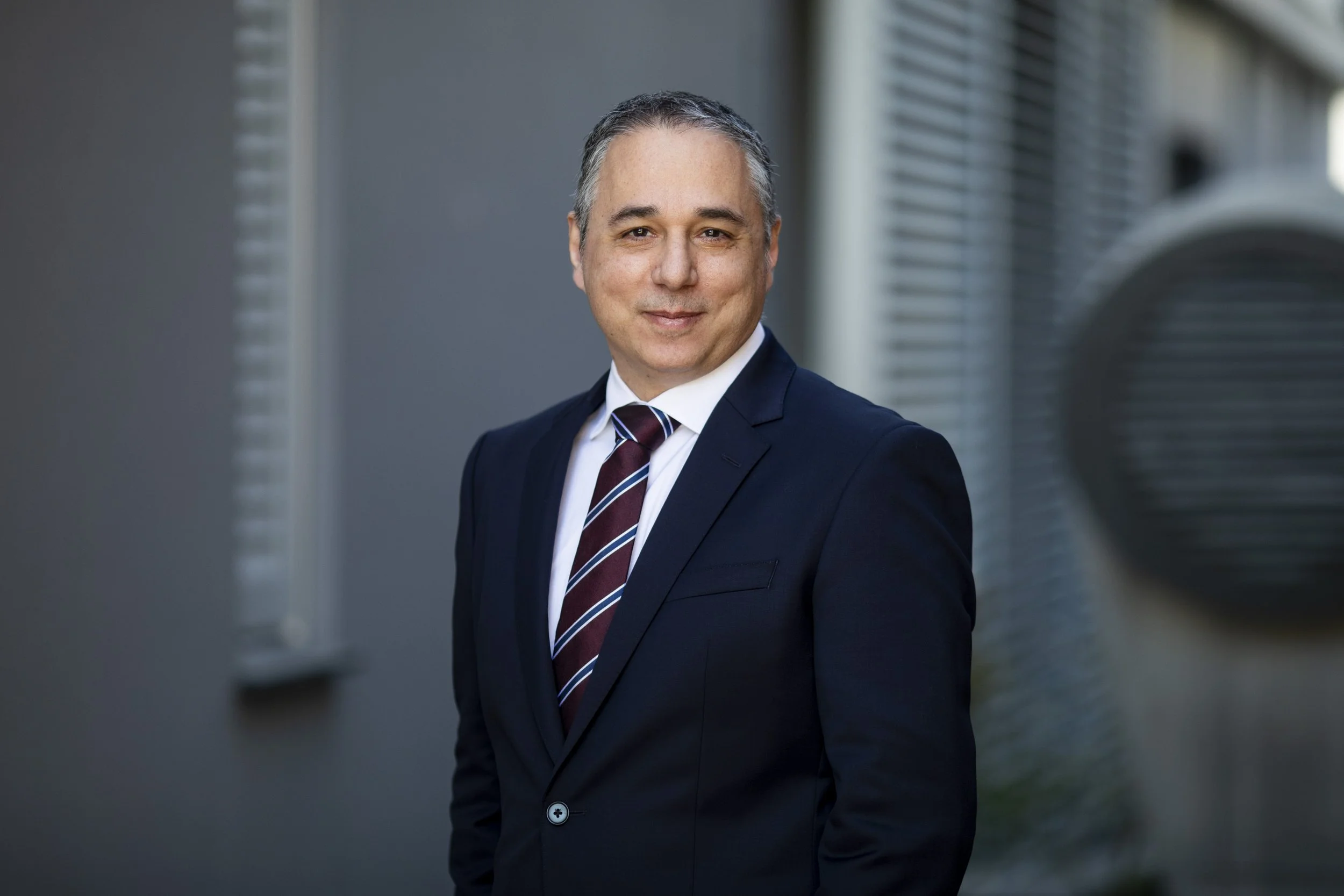
Marinos Kokkinis (pictured), CEO of OneCare Group, said: “Seafarers are operating under immense pressure. Geopolitical instability, fatigue, extended periods away from family, increasing regulatory demands and rapidly changing technology all add to the pressures of an already demanding profession. We cannot decide from shore what wellbeing should look like at sea without listening to the people experiencing those pressures. Asking seafarers to speak is only worthwhile if we are prepared to act on what they tell us.”
OneCare Group supports the psychological, physical and professional wellbeing of seafarers through its member companies, Mental Health Support Solutions (MHSS), OneLearn Global, WellAtSea and Marine Medical Solutions.
Mariana Charalambous, Managing Director of MHSS, said that recognising lived experience is particularly important when considering why some seafarers remain reluctant to seek psychological support.
“Having a mental health service available does not automatically mean somebody will feel comfortable using it,” she comments. “We need to understand the barriers from the seafarer’s perspective: confidentiality, stigma, cultural attitudes, hierarchy onboard or concerns about their career. Listening to those experiences helps us create support that people actually trust and use.”
Gisa Paredes, Managing Director of WellAtSea, added: “Seafarer wellbeing cannot be addressed through generic initiatives. Life at sea creates very specific challenges around sleep, physical activity, nutrition, social connection and maintaining healthy routines over long periods away from home. When we listen to seafarers and understand the pressures they experience every day, we can create practical support that helps healthier behaviours become part of life onboard. That is how we move from simply talking about wellbeing to creating lasting change.”
Training also has an important role in turning seafarer feedback into lasting cultural change.
Capt. Sudeep Sequeira, Managing Director at OneLearn Global, said: “Training should never exist simply to satisfy a requirement. Feedback from seafarers can tell us where knowledge gaps exist, where training is not translating effectively into practice and where crews need additional support. Digital learning gives us an opportunity to respond quickly and provide relevant, accessible training wherever a seafarer is.”
Dr Jens Tülsner, CEO of Marine Medical Solutions, added that the same principle should apply to healthcare, saying: “Seafarers often face barriers to healthcare that people ashore simply do not experience. Understanding what happens when someone becomes unwell onboard, why they may delay seeking assistance and what support they need allows us to build more effective medical pathways. Healthcare at sea must be designed around the realities of the patient.”
Mr Kokkinis concluded: “World Mental Health Day should not simply be about telling seafarers that it is acceptable to speak. It should be about proving that when they do speak, the industry is listening, and that what they say leads to change.”