
VIKAND urges regular communication with seafarers during prolonged crises
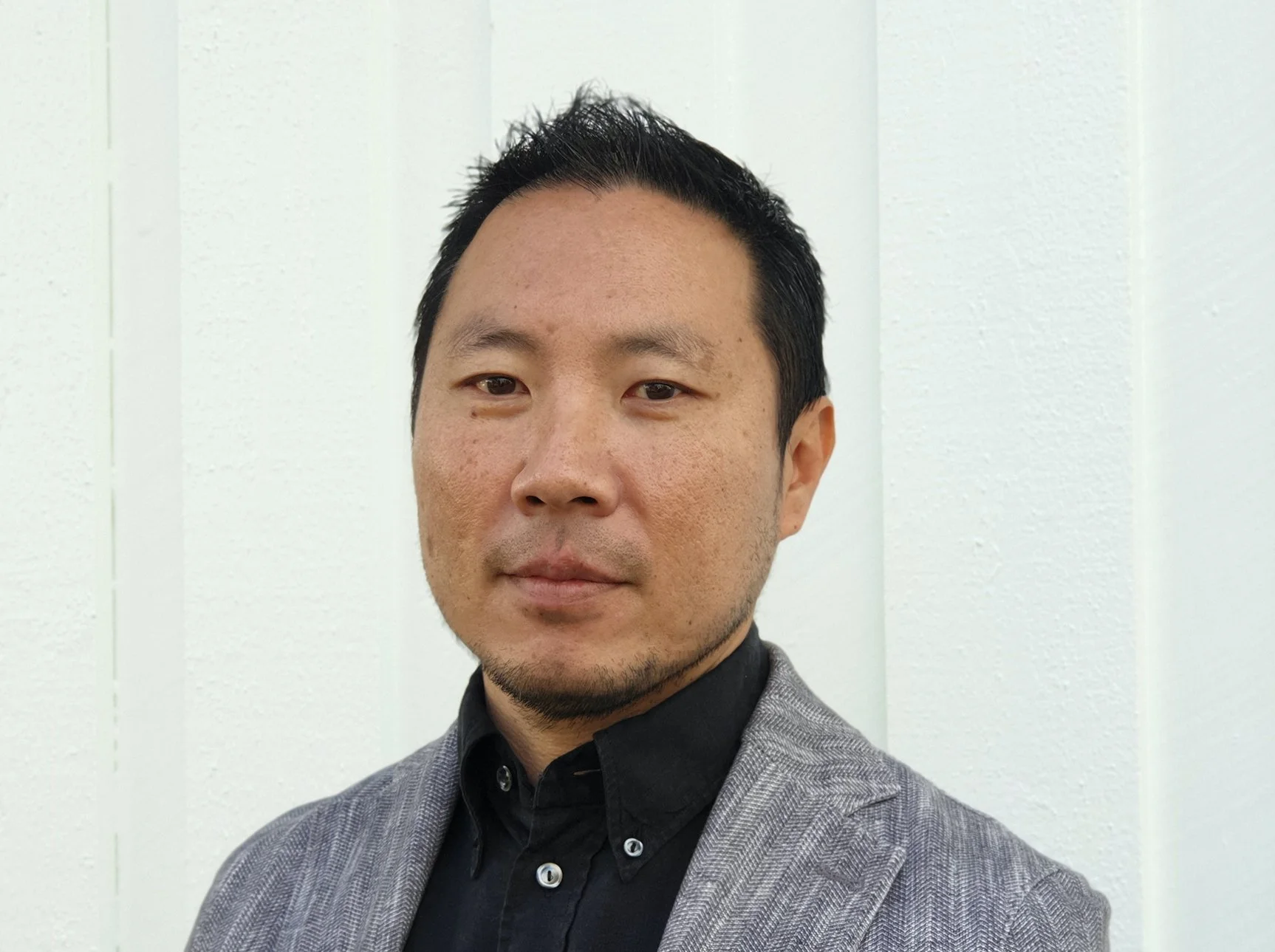
Ahead of World Mental Health Day on 10 October, global maritime healthcare provider VIKAND is urging shipping companies to maintain regular communication with seafarers during prolonged periods of geopolitical tension and operational uncertainty.
For crews working in or close to areas of heightened risk, the pressure does not necessarily end when an immediate threat passes. A situation can continue for weeks or months, often without any clear indication of when conditions will improve. During that time, seafarers may be following developments through news reports and social media while having little information about how their own company views the situation or what it could mean for their vessel.
According to VIKAND, this uncertainty can become a source of stress in its own right.
Martin Hedman, Director of Mental Wellness Practices at VIKAND, said: “World Mental Health Day gives us an opportunity to look at some of the practical things companies can do to support people at sea. Communication is one of them, specifically active and engaging communication, and it is particularly important when crews are dealing with a situation that has no obvious end point.
“People cope better with difficult circumstances when they understand what is happening or what is going to happen, which creates a feeling of control and that somebody is looking out for them. Problems arise when there is a long period of silence and people are left to work things out for themselves.
“If you are at sea and reading worrying reports, hearing things from your family or seeing speculation on social media, but you are hearing very little from your own company, it is understandable that you might start to worry. Even a short update will provide some reassurance that the situation is being watched and that the crew has not been forgotten.”
The issue has come into sharper focus amid recent tensions affecting shipping in and around the Strait of Hormuz, although the same pressures can arise in many other circumstances. Security threats, diversions, crew-change restrictions and other prolonged disruptions can all leave seafarers dealing with uncertainty for extended periods.
Previous research has shown the importance of seafarers feeling supported by their employers. A Yale University study into seafarer mental health found that those experiencing depression were less likely than those without depression to say that their company cared about its employees. They also reported having less control over their work and decisions.
The Q2 2026 Seafarers Happiness Index similarly identified concerns around trust as geopolitical disruption and operational pressures became increasingly common. At the same time, it found stronger morale among seafarers who experienced supportive leadership and reliable communication.
Mr Hedman believes companies should continue talking to their crews even when there is little new to report.
“There is sometimes a perception that you need only send an update when something has changed, but that can leave a long gap in communication,” he said.
“There is nothing wrong with saying ‘we have reviewed the situation, nothing has materially changed and we are continuing to monitor it’. That may not sound like much, but for somebody on board it confirms that the issue is still being taken seriously.
“Crew should also know who they can speak to if they are worried and where they can go for help. You do not want to be working those things out for the first time when somebody is already struggling.”
VIKAND says these arrangements are most effective when they are already part of normal operations. Regular welfare check-ins, clear routes for raising concerns and access to medical, mental health and telehealth support give crews familiar channels to use when circumstances become more difficult.
VIKAND supports seafarer mental health through services designed to make help accessible wherever crews are operating. This includes Crew Pulse Checks, which provide regular opportunities for seafarers to share how they are feeling and help identify where additional support may be needed. Alongside confidential mental health support, counselling, wellbeing programmes and access to qualified professionals through telehealth, VIKAND works with operators to take a more proactive approach to mental wellbeing rather than waiting until a crew member reaches crisis point.
Mr Hedman added: “We talk a lot about encouraging seafarers to speak up about their mental health, but companies also have a responsibility to keep talking to their people.
“Communication is not going to treat a mental health condition, and it cannot replace professional care when somebody needs it. What it can do is remove some unnecessary uncertainty.
“World Mental Health Day is a useful reminder that supporting mental health at sea is not only about what happens when somebody reaches a crisis point. It is also about the everyday environment we create around people and whether they feel informed, listened to and supported.”