
Hormuz shipping crisis deepens as thousands of seafarers remain stranded
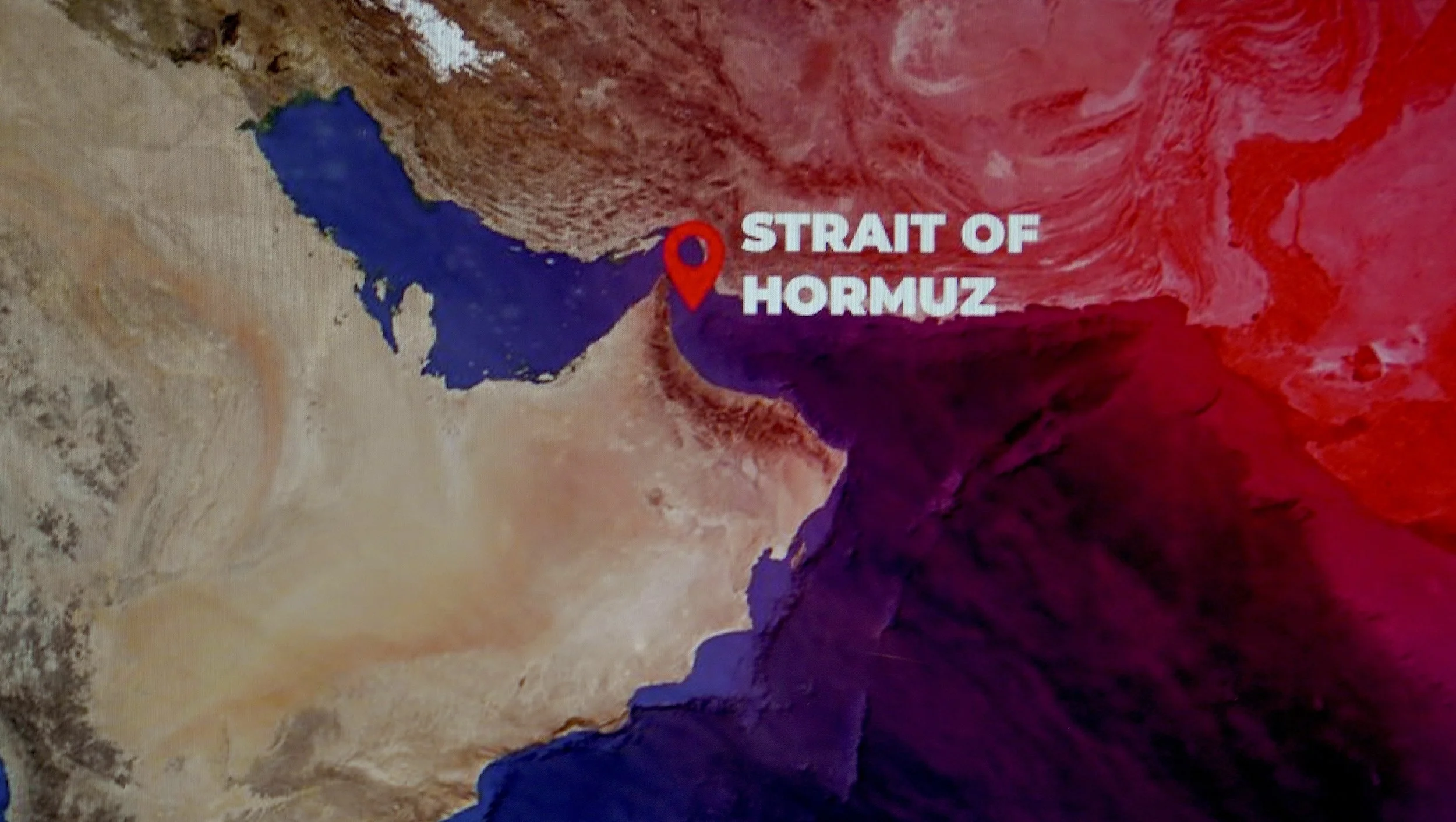
The continuing deterioration of security around the Strait of Hormuz is developing into a major seafarer welfare crisis, with thousands of crew members stranded aboard vessels and commercial traffic through the strategically important waterway remaining at a fraction of normal levels.
The International Maritime Organization (IMO) recorded another merchant vessel casualty on 3 August when the Minoan Pioneer was damaged approximately 20 nautical miles northeast of Al Khasab, Oman, with one seafarer reported missing.
By 4 August, the IMO had recorded 64 confirmed incidents and 17 seafarer fatalities associated with the continuing Middle East crisis.
The human impact is becoming increasingly serious. According to the IMO, more than 20,000 seafarers have been affected across the region, with approximately 6,000 stranded aboard vessels unable to leave.
A voluntary evacuation mechanism had previously enabled 136 vessels and an estimated 2,900 seafarers to leave the region, but the evacuation programme remains paused. The IMO published an updated framework for the safe evacuation of ships and seafarers on 6 August.
For ship managers, the prolonged disruption is creating an increasingly difficult combination of operational and welfare challenges. Crews are facing extended periods onboard, uncertainty over repatriation and growing psychological pressure, while managers must contend with crew contract extensions, victualling, access to medicines, communications with families and the practical difficulties of arranging crew changes.
Commercial shipping continues to transit the Strait of Hormuz, but at extremely low levels following the resumption of hostilities and attacks on vessels after the collapse of the MOU peace agreement.
According to analysis by Lloyd’s List, only 52 non-Iranian-linked vessels transited the strait during the week from 27 July to 2 August. Of these, 60% were exiting the channel and 40% entering. A further 32 Iranian-linked vessels passed through during the same period.
The combined total of 84 transits represents little more than 10% of the approximately 700 weekly ship movements recorded before the conflict began, highlighting the extent to which normal commercial shipping patterns have been disrupted.
The restrictions have also left a substantial number of mainstream oil and gas tankers effectively trapped inside the Gulf. Analysis indicates that 70 large oil and gas tankers owned by mainstream, non-sanctioned companies have been stranded in the Gulf since February.
A further 65 tankers entered the region following the announcement of the MOU, only to find themselves subsequently unable to leave following the renewed deterioration in security.
The situation presents ship managers with increasingly complex decisions over whether vessels should enter the region at all, while those managing ships already inside the Gulf face the more immediate challenge of maintaining safe operations and protecting crew welfare for an uncertain period.
With normal traffic through one of the world’s most important maritime chokepoints showing little sign of returning, attention is increasingly shifting from the immediate security threat to the longer-term consequences for the thousands of seafarers caught in the crisis.