
The Nautical Institute conference highlights human factors as key to maritime safety
Human factors must be treated as a central part of maritime safety as the industry responds to increasing operational complexity, digitalisation and technological change, speakers told a major conference hosted by CHIRP Maritime and The Nautical Institute.
The Human Factors Conference, held at Trinity House, London, brought together maritime professionals, regulators, training experts, technology specialists and safety leaders to examine how people, systems and organisations interact in real operating conditions.
Hosted by CHIRP Maritime and The Nautical Institute, in collaboration with the International Maritime Human Factors Symposium, the conference focused on three key themes: navigational resilience, safety culture and the integration of non-technical skills into voyage planning.
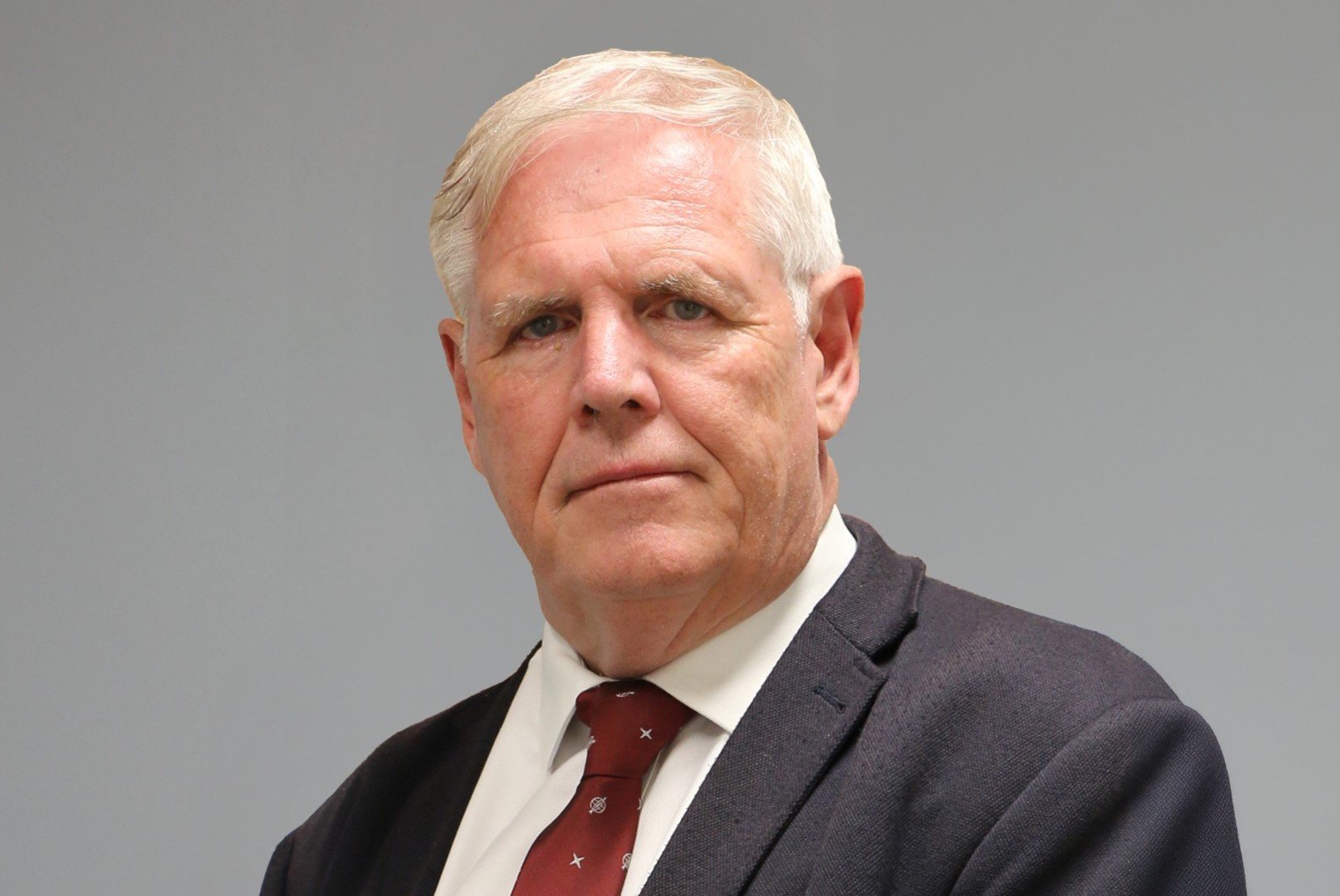
Opening the conference, Captain John Lloyd FNI, Chief Executive of The Nautical Institute, highlighted the importance of ensuring that change in shipping continues to support the people responsible for safe operations at sea. As the industry responds to digitalisation, decarbonisation, new technologies and evolving regulation, the role of maritime professionals remains critical.
Speakers emphasised that technology can provide more information, but people determine how that information is interpreted, challenged and acted upon. Discussions throughout the day explored how bridge teams, engineers, shore-based staff and maritime leaders can build resilience when conditions change, systems do not behave as expected or operational pressure increases.
The navigational resilience session examined why people remain central to safe navigation as bridge teams work with greater levels of automation, electronic navigation systems and digital information. Speakers discussed the importance of critical thinking, effective communication, cross-checking and the ability to maintain situational awareness when systems are disrupted or information becomes difficult to interpret.
The safety culture session focused on the difference between safety management on paper and safety as experienced in day-to-day operations. Speakers explored the importance of leadership, psychological safety, speaking up, learning from incidents and understanding the organisational factors that shape behaviour onboard and ashore.
The afternoon session considered the role of non-technical skills in voyage planning, including communication, leadership, workload management, decision-making and human-machine interaction. Contributors discussed how digital navigation, emerging technologies and increasing volumes of data are changing the way bridge teams plan and monitor voyages.
Captain Nadeem Anwar FNI, lead author of The Nautical Institute’s Bridge Resource Management Volume 2: Voyage Planning, told delegates that maritime education must continue to evolve so that seafarers are prepared not only to use technology, but to think, communicate and work together effectively under pressure.
The conference also provided the setting for the launch of Bridge Resource Management Volume 2: Voyage Planning, the second and final volume in The Nautical Institute’s Bridge Resource Management series. The publication focuses on voyage planning as a live bridge-team discipline, bringing together technical knowledge, practical planning processes and the human factors that support safer decision-making.
The discussions reinforced a clear message: safe shipping depends not only on rules, systems and procedures, but on competent people working within organisations that support good judgement, communication and learning.
The Nautical Institute said the conference underlined the need for the industry to continue investing in professional development, human-centred design, safety culture and practical guidance that reflects the realities of maritime operations.