
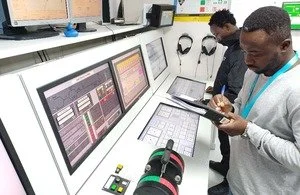
The first seafarers to take new digital assessments that are being rolled out by the Maritime and Coastguard Agency (MCA) have been congratulated as they opened their results this week.
Around 170 candidates were tested in April 2026 through the secure web-based platform which is replacing traditional written exams with flexible, digital assessments.
The groundbreaking assessments, which apply to Officer of the Watch (Unlimited) and Chief Mate (Unlimited) Certificates of Competency, mark a significant milestone in the modernisation of UK seafarer certification (Photo: South Shields Marine School).
Shajan Lukose, MCA Head of Nautical Examiners, said: “On behalf of everyone at the MCA, I’d like to congratulate the candidates who have broken new ground by completing their Certificate of Competency assessments on the digital assessment platform.
“The system is not only simpler and more accessible for candidates and examiners, but also better reflects the new syllabus to ensure the next generation of seafarers are equipped with the skills for the modern maritime world.
“Consistent, fair and up-to-date learning and assessments ensure we have knowledgeable and well-trained seafarers able to forge successful careers and drive the UK’s maritime industry forward.”
The new assessment system links closely to the modernised seafarer training syllabus, reflecting the realities of modern seafaring and bridge operations.
The platform is being rolled out across MCA-approved examination centres worldwide and is expected to support more than 5,000 candidates each year across a range of maritime qualifications when it is fully implemented.
Candidates demonstrate knowledge and decision-making through a variety of digital processes, including scenario-based responses, image and chart annotation, structured written answers, and automated elements where appropriate.
Competence is assessed in areas such as ship stability, passage planning, collision avoidance, and modern navigation systems – safety-critical skills routinely used on board today’s vessels.