
OceanWings secures DNV validation of its high-fidelity aerodynamic evaluation methodology
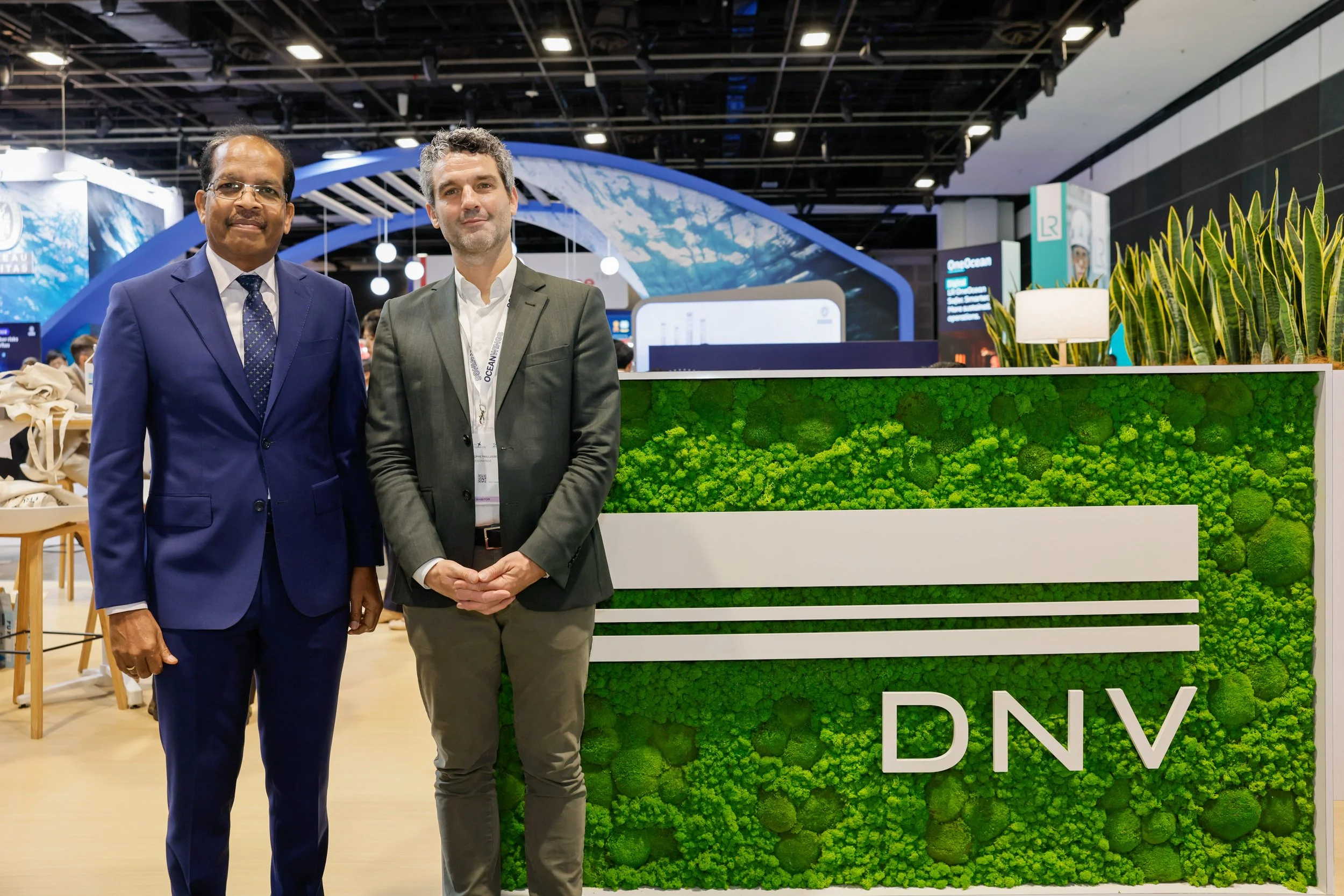
OceanWings has received validation from DNV for its high-fidelity aerodynamic modelling, confirming the robustness and reliability of the company’s methodology for quantifying the propulsion power delivered by its wingsail technology.
This milestone contributes to the growing industry confidence in Wind-Assisted Propulsion Systems (WAPS), by enabling shipowners, operators, and charterers to rely on data generated by an independently verified model to support their investment decisions and regulatory compliance strategies.
The validated method combines advanced CFD aerodynamic simulations and wind tunnel measurements to assess the performance of OceanWings installations. This approach corresponds to the highest fidelity levels as defined by the ITTC (Levels III and IV) and is in line with MEPC.1/Circ.896.
Building on experience from the OceanWings® installation onboard the ‘Canopée’ cargo ship, and a decade of performance evaluation of commercial vessels, the newly validated methodology integrates aerodynamic modelling to deliver a transparent, and repeatable assessment of wind propulsion power for multi-wing setups on any type of vessel.
This is particularly relevant as the shipping industry adapts to increasing regulatory pressure. DNV validation of the OceanWings methodology enables shipowners to quantify, from the outset of their decarbonation analysis, the impact of installing OceanWings technologies on the EEDI, EEXI, and Fuel EU Maritime reward factor of their vessels.
“Independent validation of our aerodynamic modelling method is a key milestone for OceanWings and for the wider adoption of wind propulsion,” said Emmanuel Schalit, CEO of OceanWings. “This helps to strengthen confidence in the business case for wind propulsion by reducing uncertainty around the expected fuel savings, return on investment, and operational impact.”
OceanWings’ broader industrial approach spans the full lifecycle of a vessel from design and construction through to long-term operations. By integrating performance assessment into this lifecycle, OceanWings says it helps stakeholders to make informed decisions at every stage, building confidence that wind propulsion can deliver value not only in fuel savings, but also in operational efficiency, regulatory compliance, and asset performance.
“Shipowners, operators, investors, need to know that the performance claims behind a technology are real, that the numbers they’re being given are built on solid, verified methods,” said Antony Dsouza (pictured, left), Senior Vice President & Regional Manager, South East Asia, Pacific & India at DNV. “This is why we are so pleased to be able to offer this validation and to continue to work together with OceanWings, because they understand that having a rigorous independent assessment is not a barrier, it's a basis for success.”