
Fleet Management highlights need for future-ready maritime skills at Crew Connect Global 2026
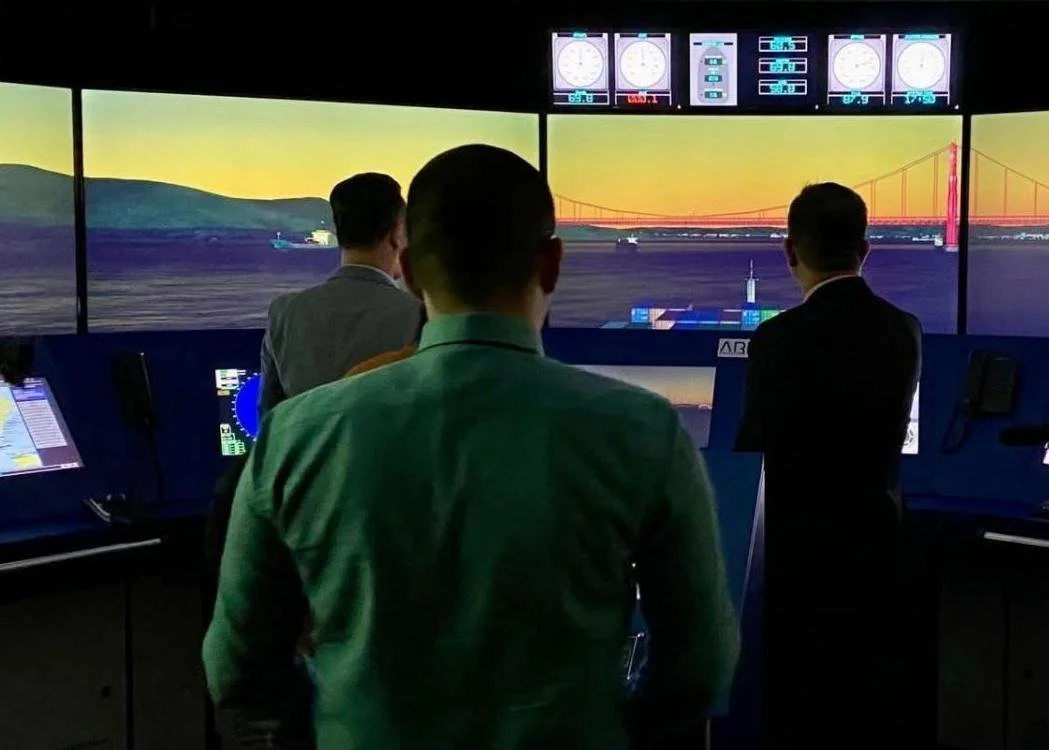
As shipping adapts to new fuels, digital technologies and increasingly complex regulation, Fleet Management Ltd is investing alongside shipowners, managers, regulators, educators and training providers to help ensure the maritime workforce is ready for the challenges ahead.
Capt. Somasundar Nair, Executive Director, Fleet Management, said: "The challenge is no longer just attracting people into shipping. It is helping good people keep pace with the rate of change. Future readiness cannot begin when vessels are delivered. It has to start well ahead, with training and development."
Fleet Management, a part of The Caravel Group, is bringing that message to Seatrade Maritime Crew Connect Global 2026 as Gold Sponsor. From 20 to 22 October at Shangri-La The Fort, the company will join industry leaders in Manila to discuss what the future maritime workforce will require and how the industry can prepare Fleet’s view is that shipowners and ship managers who invest in talent now will be best placed to stay competitive.
Preparing future-ready crews requires investment long before vessels are delivered or regulations take effect. Competence, leadership development, wellbeing and long-term career pathways all play a role in ensuring maritime professionals are ready for the demands of an increasingly complex operating environment.
As one of the world's largest independent third-party ship managers, Fleet Management supports more than 600 vessels, a pipeline of over 150 newbuilding projects, 27,000 seafarers and 1,300 shore-based professionals. Each year, Fleet Management delivers approximately 17,000 training places, 15,500 simulator training hours and 85,500 training certificates. Fleet Management currently manages more than 30 dual-fuel vessels, while more than 1,750 seafarers and technical professionals have completed dual-fuel and low-emission fuel training programmes covering LNG, methanol, ammonia and digital systems.
At Crew Connect Global, Capt. Somasundar Nair is contributing to discussions on the future of maritime competence through the panel ‘STCW Phase 2: 22 Gaps, a New Timeline, and Who Decides the Priority Order?’), examining how training frameworks and regulatory standards can evolve alongside rapid technological and operational change.
Capt. Soma added: “STCW is the minimum, and this review is our best chance to set it ahead of the ships, not behind them. Technology will keep changing, and the competence to work with it safely should not wait.”
Stable crews remain central to safe and reliable operations, which is why retention remains a strategic priority for Fleet Management. Retention among Fleet Management's sea staff is 95% or above.
Through Fleet Care and its Care 360 strategy, Fleet Management supports seafarers and their through programmes focused on physical health, wellbeing, nutrition, family engagement and access to support services. These include counselling, psychological support, family assistance, wellbeing training and 24/7 multilingual support.
In 2025, 72 Psychological First Aid sessions reached 4,600 crew members, 10,000 seafarers participated in wellbeing programmes and Fleet made more than 17,000 welfare calls to families.
Earlier this year, Fleet Management launched Pulse, its official seafarer app, designed to support every stage of a seafarer's journey, from assignment and time at sea through to leave and career development.
Pulse brings contracts, certificates, vessel updates, career milestones, wellbeing resources and Fleet Care support into a single platform. Designed for life onboard and onshore, it provides 24/7 access to practical information, support services and engagement resources, helping seafarers stay connected wherever they are.
The Philippines, the world's largest source of seafaring talent, plays a vital role in Fleet Management's global operations. Fleet Management's Manila office, opened in 2025 at Four Ecom Tower in the Mall of Asia Complex, houses full mission bridge and engine room simulators and supports more than 4,000 seafarers and their families.
Capt. Somasundar Nair added: "The focus is increasingly shifting from training volume to competence, readiness and retention. The skills people need today are leadership, judgement and adaptability in a rapidly changing world.”
Capt. Abhishek Sinha, Country Head, Fleet Philippines, said: "Future-ready ships will require future-ready crews. Training must help people build competence, confidence and decision-making skills before they reach the vessel."
Fleet Management's says its strategic vision is to be the ship manager that customers trust most, and the industry-leading destination for maritime and professional talent, and this begins with investing in the people onboard and onshore who deliver it.