
WellAtSea champions women in maritime for International Women’s Day
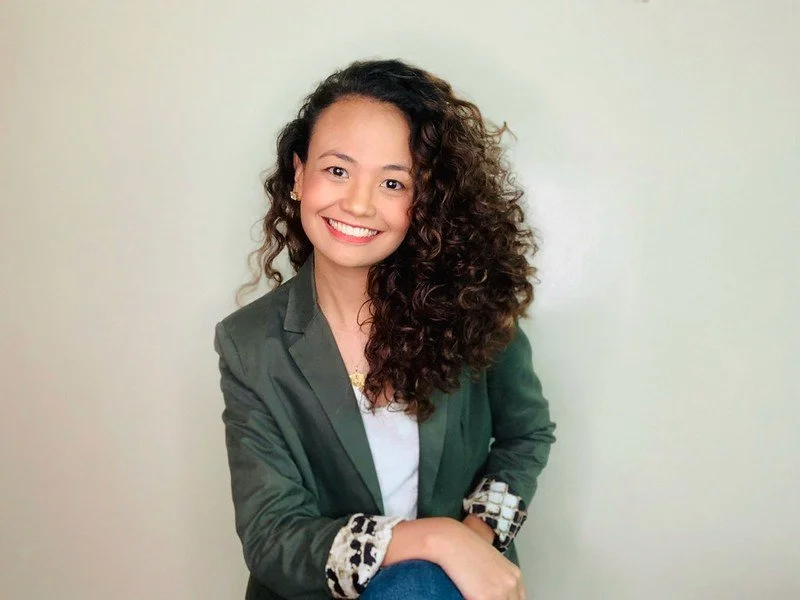
Gisa Paredes, Managing Director, WellAtSea
Women still remain vastly underrepresented across the maritime industry, from crews onboard to leadership roles ashore, according to a hard-hitting industry report.
The latest Women in Maritime survey, published jointly by the International Maritime Organization (IMO) and WISTA in 2025, found that women make up less than 20% of the total global maritime workforce.
This scarce representation of women means fewer role models for young women who are considering a career at sea or in related industries, said Gisa Paredes, Managing Director at WellAtSea.
“When there are so few visible women, it can be hard for others to see what is possible,” she said.
To tackle this, WellAtSea, member of OneCare Group, is highlighting the voices of key female figures in the industry through its podcast series, with the aim to help inspire and attract more women.
“I was only 19 when I called myself the Black Mermaid. Now it is a brand, and I am able to inspire more women to pursue careers at sea,” said Captain Londy Ngcobo.
As Africa’s first female dredge master, she has broken barriers in the industry, mentoring young girls through workshops, boat rides and a children’s book. Her story underlines both the progress that is being made, and how far there is still left to go.
“We need to put our stripes down and break the walls of being Captains, and just show up as human beings,” she added.
The podcast series also features Mela Habijan, a Filipina DEI advocate who champions inclusion and allyship across industries.
Crowned the first Miss Trans Global in 2020, Habijan went on to host Sparks Camp, the first queer reality TV show in the Philippines, and leads conversations on how workplaces can become safer, more welcoming spaces for all.
“Allyship is about friendship, forming real connections with people from all backgrounds so everyone can thrive,” said Habijan.
She also highlights the role leaders and ship managers play in fostering an inclusive workforce: “Leaders have the power to change policies, foster values, and decide on the trajectory. As a leader, especially of a multinational organisation, you affect many lives internationally, so you have to adapt to the differences of the audiences you cater to.
“Culture shapes leadership politics, and leadership politics shapes culture. They go hand in hand. When your leaders foster DEI, everyone will feel safe, because there is no reigning race or gender hegemony,” she added.
Through the podcast, WellAtSea is providing a space for women to share stories that often go untold, offering insight, inspiration and guidance to the next generation.
“By sharing these experiences, we hope to show that these roles are achievable and to encourage more women to see themselves in maritime careers,” added Ms Paredes.