
Why a rethink is needed on navigation resilience: Trelleborg
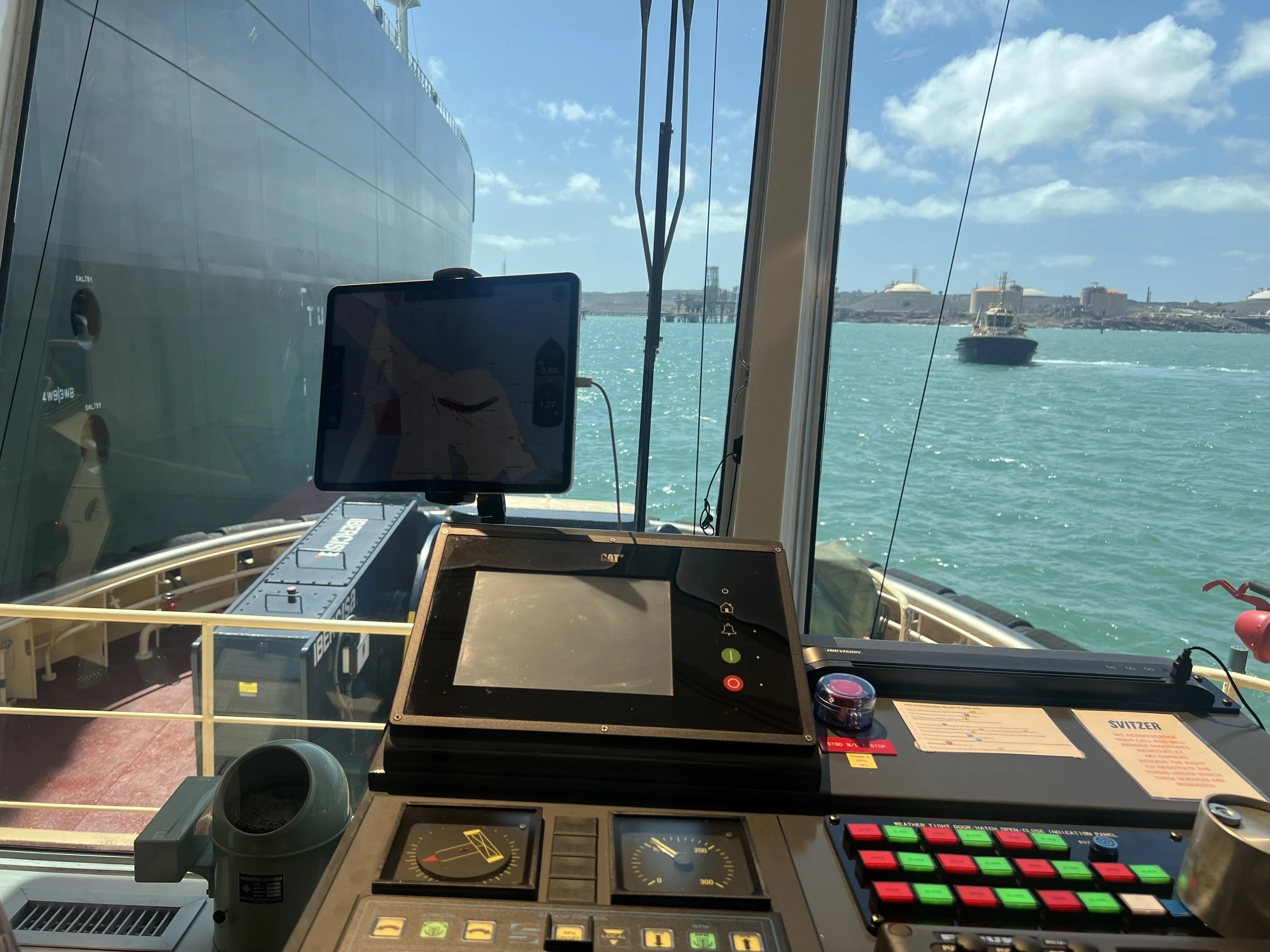
Commercial shipping is entering a period of heightened operational complexity as immediate challenges emerge at the intersection of safety, efficiency and risk management, writes Tommy Mikkelsen, Managing Director, Navigation and Piloting, Trelleborg Marine & Infrastructure.
Shipowners today are navigating a convergence of three critical pressures: an ageing global fleet, often with legacy navigation and IT systems; increasingly congested trade routes, where the problem has become structural rather than cyclical; and a growing exposure to GNSS disruption and cyber-related risks exacerbated by geopolitical conflict. Together, they are creating a compounded risk environment that is testing the limits of traditional operational and safety frameworks.
As navigation becomes more data-dependent, the integrity and reliability of positioning information become fundamental to safe operations. Disruption to this data, particularly in congested waterways, can create uncertainty, increase the risk of collisions and groundings and contribute to operational delays.
These developments highlight the extent to which modern navigation depends on consistent and reliable inputs. They also reinforce the importance of ensuring that systems can support safe decision-making not only under normal conditions, but when data is degraded or uncertain. For shipowners, this is less about responding to isolated incidents and more about building resilience into everyday operations, ensuring that both systems and crews can operate effectively across a wider range of conditions.
Agile approach to modernisation
Traditionally, navigation system upgrades have been driven by compliance requirements or undertaken in response to specific incidents. In today’s environment, that approach is no longer sufficient. A more proactive model is required, focused on identifying and addressing vulnerabilities before they lead to operational failure.
In practice, this can include targeted enhancements to improve real-time positioning accuracy and rate-of-turn data, which are essential for precise manoeuvring in congested ports and narrow waterways. Remote monitoring capabilities can also support improved situational awareness, allowing crews to annotate or update navigation data where required. Additional software solutions can then be integrated over time to further strengthen system performance.
As systems evolve, so too does the burden placed on seafarers. Crews are increasingly required to operate multiple digital platforms, often with limited training or support. A phased approach to modernisation helps mitigate this challenge. By introducing new capabilities gradually, crews can build familiarity and confidence over time, reducing the risk of ‘technostress’ and ensuring that technology supports decision-making rather than complicating it.
To conclude, the maritime industry is entering a new phase where safety is defined not only by the condition of physical assets, but by the integration of systems, data and human decision-making. For shipowners, this requires a shift in mindset. Navigation is no longer just about getting from point A to point B. It is about ensuring that vessels can operate safely, efficiently and predictably in an environment that is becoming increasingly complex.
By adopting a more proactive, modular approach to modernisation, operators can reduce risk, support crews and build resilience into their fleets – not as a one-off upgrade, but as an ongoing process.