
Regulation is the only bar to offshore vessel electrification: E-Mission Zero
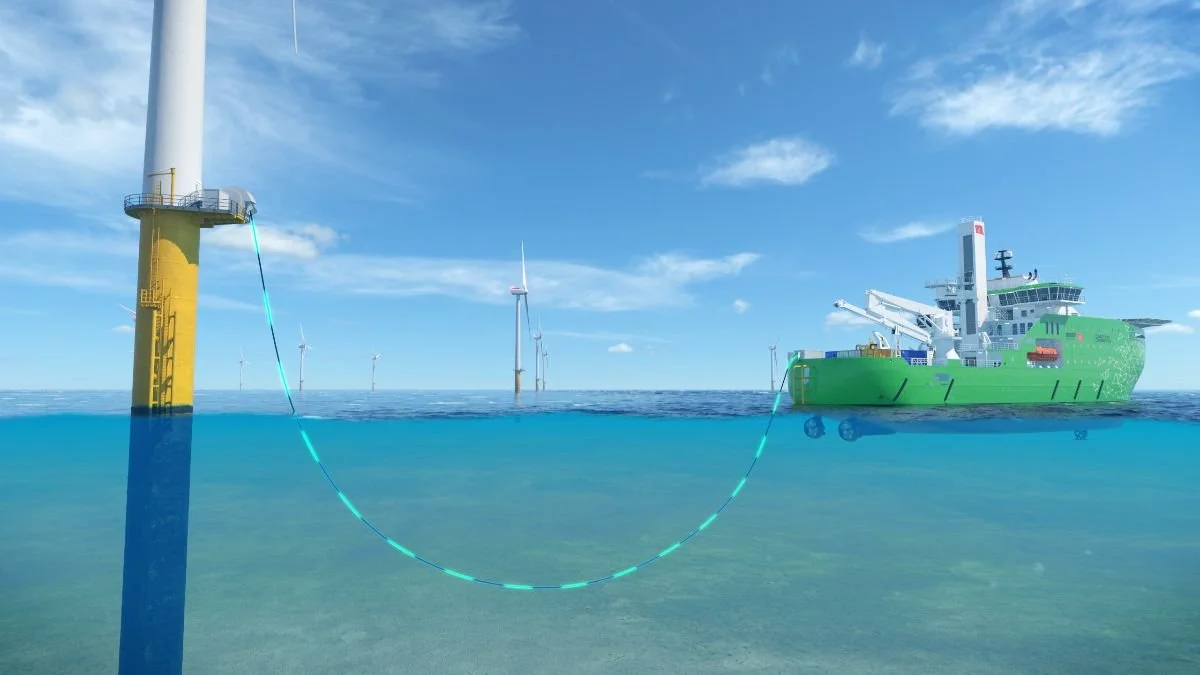
Vessel electrification is no longer a future concept for offshore wind and policy and regulatory alignment is now the main barrier to uptake, a cross-industry panel hosted by Bibby Marine and its E-Mission Zero partners told an audience during Global Offshore Wind on Wednesday.
Speakers from RenewableUK, Corvus Energy, Stillstrom, Tidal Transit and Kongsberg Maritime said rapid progress in vessel and charging technology means electrified vessels now represent an increasingly credible commercial proposition. They argued that better policy alignment and regulatory clarity will be key in unlocking the full value of electrification for developers and their contract partners.
Opening the session, Nigel Quinn, CEO of Bibby Marine, highlighted the growing need for offshore wind’s support infrastructure to keep pace with the sector’s wider ambitions. “Offshore wind is growing quickly, but the supply chain must also look at how it decarbonises its own assets and operations,” he said. “Vessel electrification is no longer just an environmental aspiration. It is becoming a practical way to reduce costs, improve energy security and give operators greater control over long-term operating risk.”
The panel was chaired by Laoiseach Scullion, Policy Manager at RenewableUK, and featured Kevin Brown, Commercial Director at Bibby Marine; Efraim Kanestrøm, Vice President Global Offshore Segment at Corvus Energy; Nikolaj Stald, Chief Commercial Officer at Stillstrom; Leo Hambro, CEO & Co-founder at Tidal Transit; and Euan Duncan, Regional Sales Director at Kongsberg Maritime.
Throughout the discussion, panellists challenged the idea that electrification remains too complex, too costly or too technically immature for offshore deployment. Instead, speakers pointed to rapid progress in battery systems, vessel design, offshore charging and system integration, as well as the growing pressure on operators to manage fuel-price volatility and future carbon-cost exposure.
Kevin Brown, Commercial Director at Bibby Marine, said: “For a long time, electrification was treated as a decarbonisation story alone. What is changing now is the commercial picture. We are demonstrating that electrified vessel operations can be cost-competitive and, in the right operating model, materially cheaper than conventional alternatives, while also reducing exposure to fuel volatility and carbon costs.”
Panellists also pointed to the role of grant funding and innovation support in accelerating progress. Support through initiatives such as UK SHORE and Innovate UK was highlighted as instrumental in helping move vessel electrification and offshore charging from early-stage concept work towards practical delivery.
At the same time, speakers stressed that the next challenge is not proving the technology, but creating the conditions for deployment. That includes integrating offshore charging into project planning earlier, resolving questions around access to offshore electricity, and establishing a clearer regulatory and commercial pathway for charging infrastructure.
Looking ahead, panellists agreed that progress over the next 12 months will be measured not only by vessels under construction, but by tangible movement on offshore charging deployment, regulatory certainty and project-level commitment from developers.
Closing the panel, Laoiseach Scullion, Policy Manager at RenewableUK, said: “Today’s discussion showed that electrification is no longer just a future ambition for offshore wind support vessels. The technology is no longer the main question, the challenge now is aligning infrastructure, policy and deployment so the sector can realise the value at scale.”