
APM Terminals delivers Suape terminal, bringing new gateway to Northeast Brazil
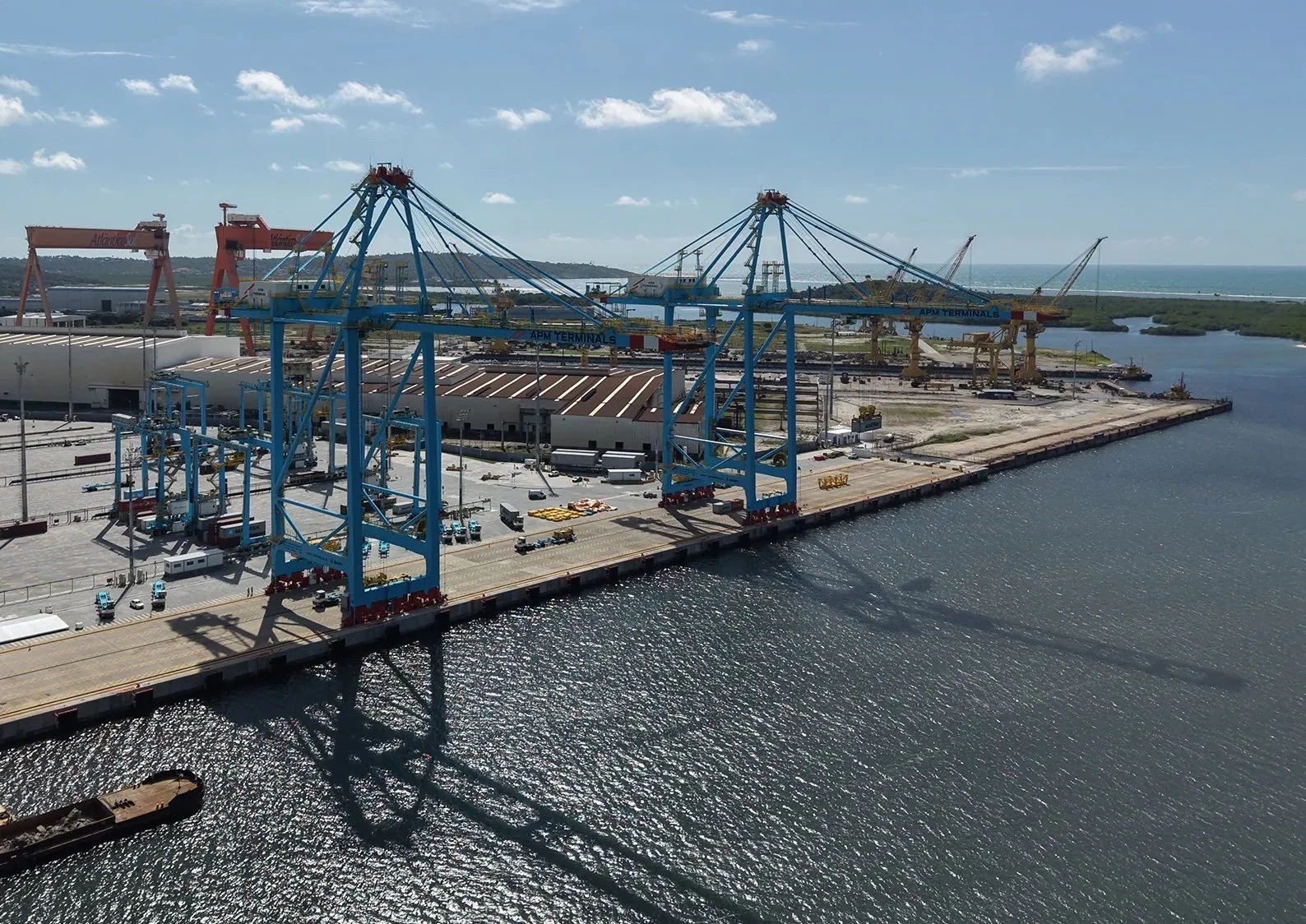
APM Terminals has delivered APM Terminals Suape – its new container terminal at the Port of Suape in Pernambuco – Northeast Brazil, as the terminal goes into final stages to begin operations and establish a new gateway for trade in the region. The milestone marks a significant expansion of the country’s logistics capacity, with the project set to improve connectivity and better position the region within global trade flows.
The terminal will be the first fully electrified facility in Latin America and represents an investment of more than USD 350 million by APM Terminals. Designed to increase the container handling capacity of the Suape Port Complex by 55%, APM Terminals Suape will initially handle up to 400,000 TEUs (twenty-foot equivalent units) per year. The terminal is expected to enhance the Northeast’s logistics competitiveness through modern technology, while strengthening connectivity between Pernambuco and key markets across Latin America, North America, Europe and Asia.
According to a study by A&M Infra, Navarro Prado Advogados and APM Terminals, the new terminal in Suape has significant potential to drive economic growth, including up to R$4.8 billion in additional exports, approximately R$4.9 billion in Gross Domestic Product (GDP), and the creation of more than 43,000 jobs across foreign trade-related value chains.
The delivery of APM Terminals Suape comes at a time of increasing pressure to expand Brazil’s port capacity. In this context, strengthening the Suape Port Complex supports the diversification of the country’s logistics network beyond the South and Southeast, positioning the Brazilian Northeast as a more prominent node in global trade routes.
“Modernising Suape means modernising Brazil,” said Brazilian Vice President Geraldo Alckmin. “The delivery of this new terminal is a leap forward for the infrastructure of Pernambuco in the Northeast, and for Brazil’s competitiveness. It means reduced costs, greater integration with the world, more opportunities for agribusiness and industry, and increased job creation. An excellent partnership between the public sector and private initiative in support of the country’s development.”