
ABS report shows how AI, digitalisation and new energy systems are taking hold across maritime
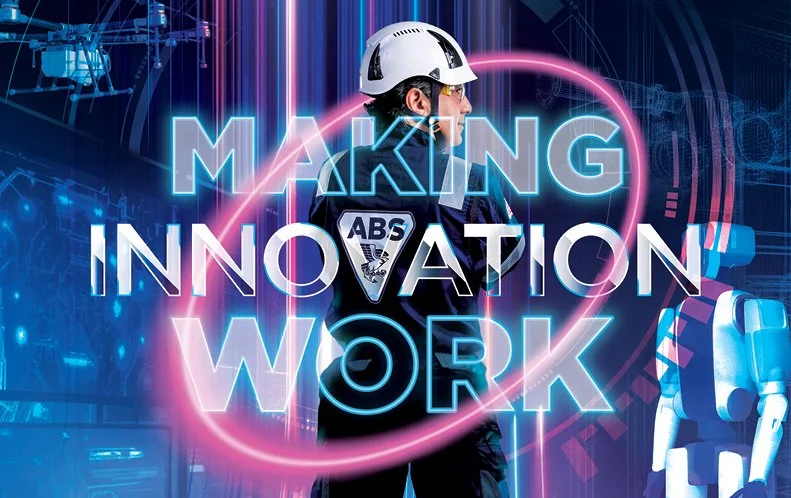
Artificial intelligence (AI), robotics, advanced sensing capabilities and emerging energy solutions are beginning to shape real-world operations across the marine and offshore sectors, according to a new report from ABS.
‘Technology Trends: Making Innovation Work’, the latest in ABS’ Technology Trends series, provides an updated industry roadmap for key innovations moving from development into application. The report examines the growing role of AI, the expansion of robotics and digital twins, and advances in materials and modelling. It also assesses a widening range of energy options. This includes developments such as small modular nuclear reactors.
The publication highlights a shift toward more connected systems, where technologies are no longer tested in isolation. Autonomous functions, remote inspection and predictive analytics are starting to influence operational decision-making.
“Innovation in maritime is moving faster, and the conversation has changed with it,” said Patrick Ryan, ABS Senior Vice President and Chief Technology Officer. “A few years ago, the focus was on what might be possible down the road. Now we are looking at where these technologies are gaining traction, how they work together and what it will take to apply them safely and effectively.”
The report reflects how quickly the landscape has evolved since the first edition was released in 2022, particularly with the rise of AI and its intersection with digitalization, the clean energy transition and applied research. It highlights a sector moving beyond isolated pilots toward a more connected technology environment.