
Fleet-wide rollout for CMT fuel test kits
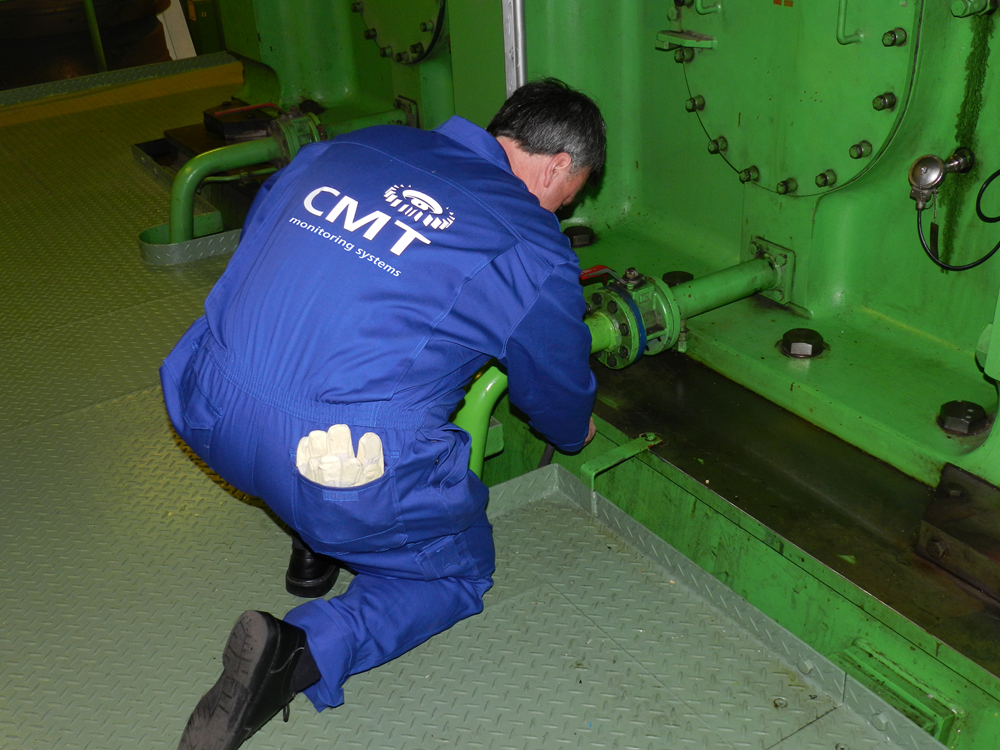
CM Technologies (CMT) has supplied its integrated onboard fuel/oil testing and analysis kits to a fleet of 300 containerships and bulk carriers managed by one of Germany's leading independent shipmanagement companies.
Implemented progressively over the past decade, the fleet-wide rollout has established a common testing platform for the unnamed shipowner, enabling consistent fuel and lubricating oil analysis across its fleet regardless of vessel type, trade route or operating profile.
The rollout is claimed to represent a significant shift in the way shipmanagers and owners carry out onboard engine condition monitoring across large fleets.
“Rather than being treated solely as a vessel-level engineering function, fuel and oil analysis is becoming part of a broader operational control framework that supports fleet-wide decision-making, maintenance planning and risk management,” said CMT Managing Director Uwe Krüger. “Shipping companies are looking for solutions that provide immediate results onboard. They want monitoring consistency across their fleets.”
Traditionally, operators have relied on shore-based laboratories to analyse fuel and oil samples. But while laboratory analysis remains an important part of machinery condition monitoring, the time required to obtain results limits the ability to respond effectively to developing issues.
“More and more shipping companies are equipping their vessels with our onboard fuel and lube test cabinets to make day-to-day fuel and lube analysis easier for crews,” Krüger said. “Regular testing is now the norm, routinely testing for water content, cat fines, viscosity, density, iron wear, and lubricating oil conditions."
Water contamination, if undetected, promotes corrosion in engine components. Cat fines (catalytic particles of aluminium and silicon from the refining process) can pass through fuel treatment systems and cause rapid wear in pumps, injectors and cylinder liners. Viscosity and density checks at delivery give operators independent verification of bunker quality rather than reliance on supplier paperwork. And iron content analysis in cylinder drain oil tracks wear rates over time, flagging deterioration before it becomes a serious problem.
“Testing is such an important consideration it is now being built into daily operations onboard rather than carried out periodically or outsourced. A key benefit of the standardised approach is the ability to compare results directly between vessels,” said Krüger.
“Because measurements are generated using the same equipment and procedures, technical teams can benchmark performance across sister ships, identify abnormal trends and investigate any deviations. This has transformed onboard testing into a fleet-wide intelligence tool.”