
Bureau Veritas Marine & Offshore (BV) will launch its latest Remote Inspection Technique (RIT) centre in Athens, Greece, during a Digital Solutions Seminar at Posidonia 2026. The event – How Bureau Veritas Digital Solutions Reduce Risk, Lower Cost & Enhance Asset Value – will bring together industry leaders to explore how digitalization is reshaping risk management, operational performance, and supporting asset values across shipping.
The new Athens RIT centre – which joins a network that has grown from five qualified surveyors in early 2025 to more than 15 across approximately seven global centres – highlights BV's commitment to equipping shipowners and operators with data-driven tools as they navigate mounting regulatory and commercial pressures. BV plans to expand its RIT network to 16 centres with over 40 qualified surveyors by the end of 2026.
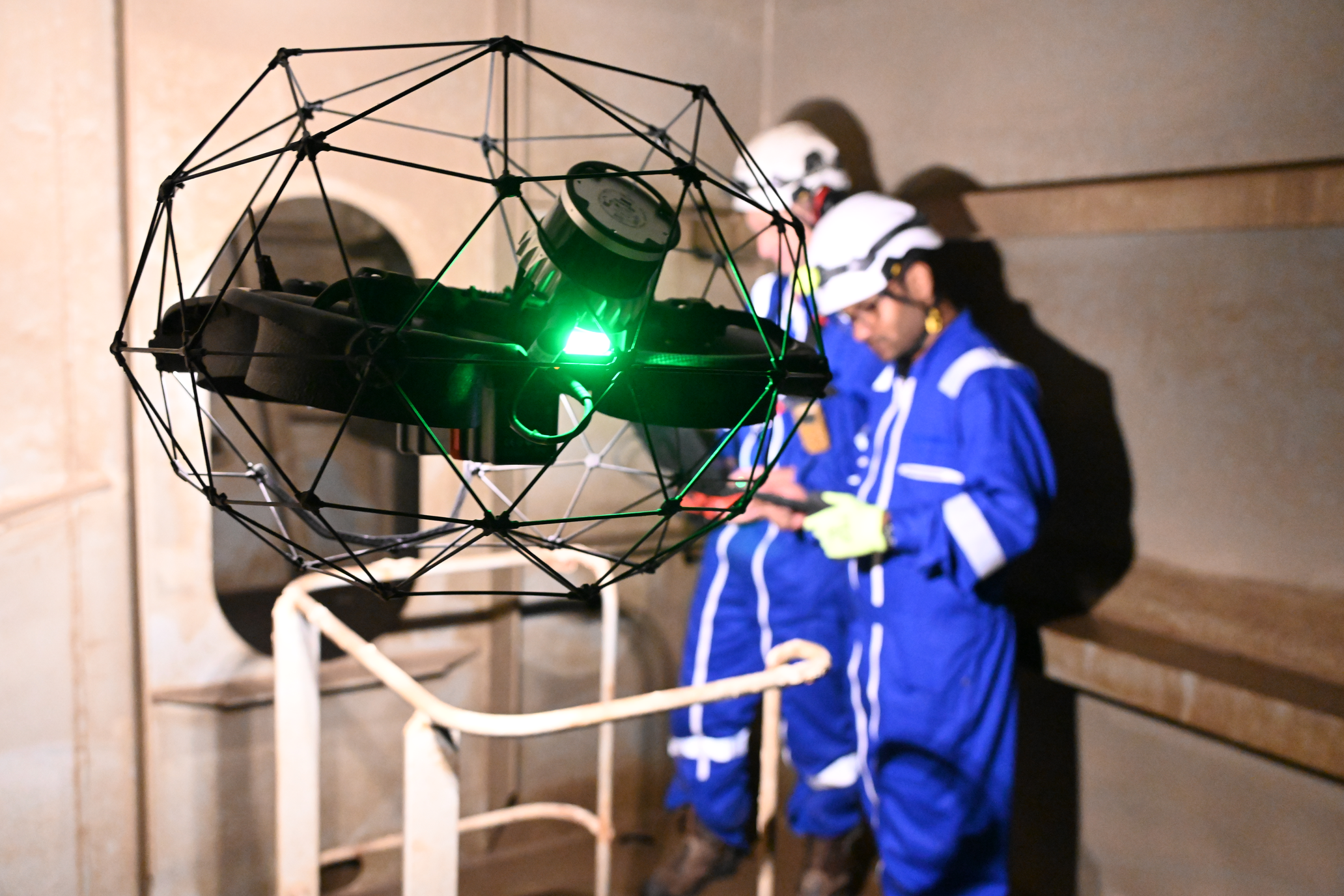
RIT is a field-based methodology in which a trained surveyor deploys drone and UAV technology whilst onboard to inspect confined spaces such as ballast tanks and cargo holds, eliminating the need for physical entry into potentially hazardous areas. The approach is distinct from traditional remote survey engagements, which are limited to document review, conducted at a distance, and do not involve the physical presence of a surveyor aboard the vessel, which significantly impacts the scope of the survey.
Safety and operational efficiency are central to the case for RIT adoption. Conventional ballast tank inspections require five to seven personnel to enter spaces that may contain toxic gases, extreme humidity, and temperatures reaching 50 degrees Celsius. BV estimates that RIT reduces confined-space entry risk by 60 to 70 percent, using a single qualified surveyor and a single-deck companion.
The operational model also delivers broader commercial value for shipowners that extends beyond cost reductions. Structured, auditable inspection records supported by AI-processed drone data help owners safely extend asset life, preserve resale value, and provide a clearer picture to lenders and insurers about a vessel’s condition with objective asset health indicators that banks, hull cover and P&I clubs increasingly expect. For charterers and cargo owners operating within tightening ESG and CII frameworks, data-backed evidence of condition from class-supported inspections can also support chartering decisions and strengthen sustainability reporting.
Alex Gregg-Smith, President, Bureau Veritas, Marine and Offshore, said: "The expansion of our RIT network into Athens reflects both the maturity of the technology and the strategic importance of Greece to international shipping. Each of our RIT surveyors is a subject-matter expert for a specific vessel type, and the combined approach of using AI to analyse drone-collected imagery before the surveyor validates the findings gives owners and operators a genuinely robust, two-stage quality-assurance process. As shipping faces greater scrutiny from lenders, charterers, and regulators, our role is evolving from compliance referee to data-driven risk partner. We see the offshore sector’s current trajectory – where drone-assisted inspection is already becoming mandated for high-risk activities – as a strong indication of where sea-going vessel inspection is heading."