
One month of war in the Gulf: Windward maps maritime disruption to date
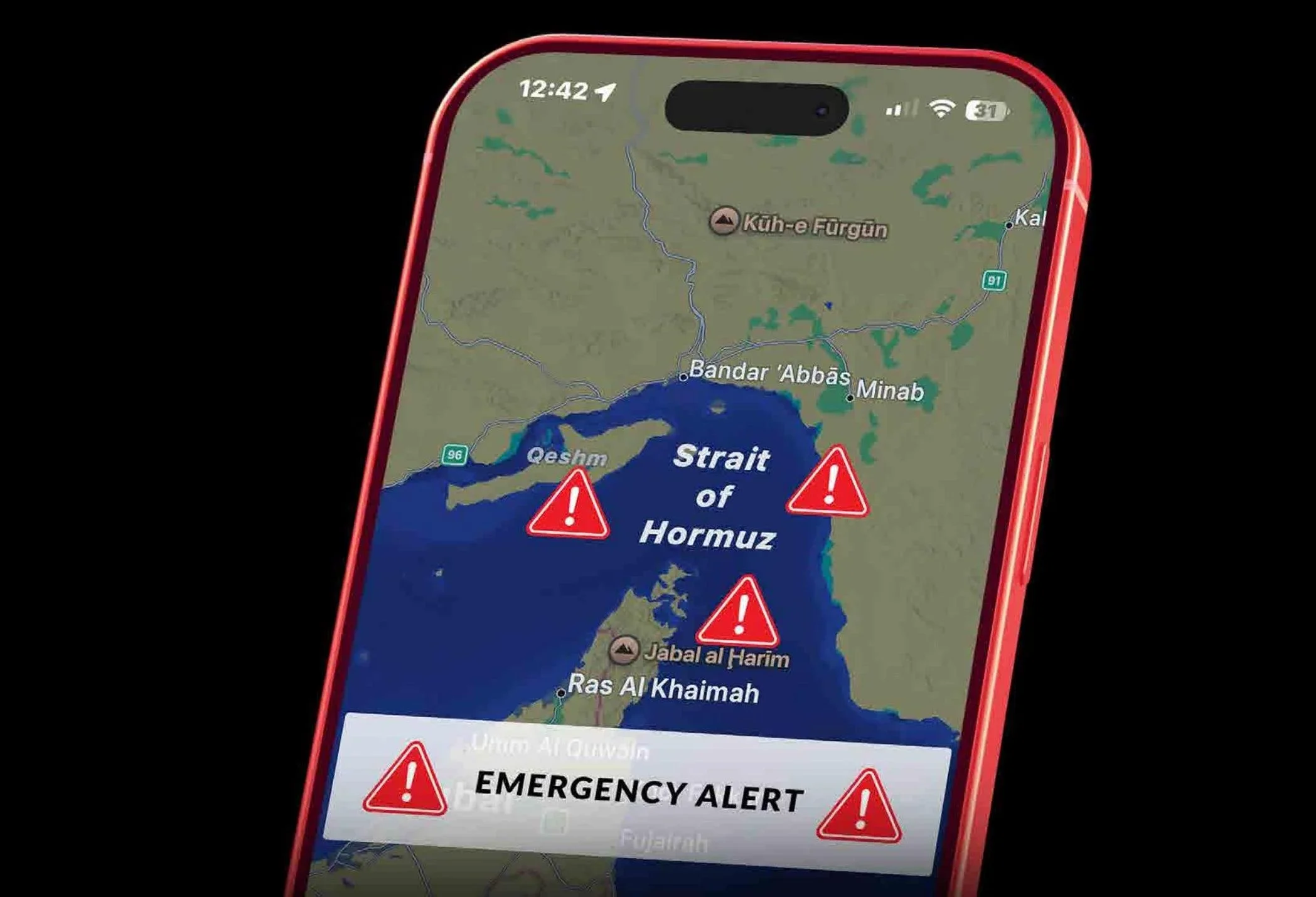
Four weeks after the launch of Operation Epic Fury, the maritime system is no longer “reacting to disruption. It is operating within it,” says Maritime AI risk intelligence service Windward. The company summarises events to date as follows:
The first days of the conflict triggered an immediate collapse in commercial confidence. Tankers halted, [some] insurance coverage was withdrawn, and transit through the Strait of Hormuz fell to near zero. Vessel strikes, GPS jamming, and infrastructure attacks quickly expanded the risk environment across the Gulf and adjacent waters.
By the second week, this disruption had become systemic, Windward continues. Shipping routes began redistributing globally, energy exports were rerouted or reduced, and port operations started absorbing the pressure of displaced cargo flows.
By the third week, the picture began to evolve. The Strait was no longer simply inactive. Limited movement resumed under tightly constrained conditions. Selective transit became visible, with vessels routing through Iranian territorial waters, often following prior calls at Iranian ports. Activity remained extremely low, but no longer absent, indicating that access was being granted on a case-by-case basis rather than fully restricted.
By the fourth week, this model matured into a controlled system. Transit was no longer just selective, but actively managed. A permission-based corridor north of Larak Island became established, with staged and sequenced vessel movement. Throughput increased modestly, but access became more explicitly filtered, with certain vessels denied passage entirely.
The result, Windward’s summary concludes, is “a new operating model for maritime trade under sustained geopolitical pressure: constrained, selective, and adaptive.”
Meanwhile, a drone strike targeted a laden VLCC – reportedly the Kuwaiti-flagged ‘Al Salmi’- approximately 31 nautical miles northwest of Dubai late on Monday 30 March. The vessel was carrying approximately 2 million barrels of crude at the time of the strike. The incident caused a fire onboard, which was later contained without casualties or reported pollution.
The event signals a shift in exposure, comments Windward. Risk is not limited to transit corridors. Anchored and staging vessels within Gulf waters are increasingly vulnerable to direct targeting.