
ICS and ITF engage Gulf States on seafarer and shipping crisis in the Middle East
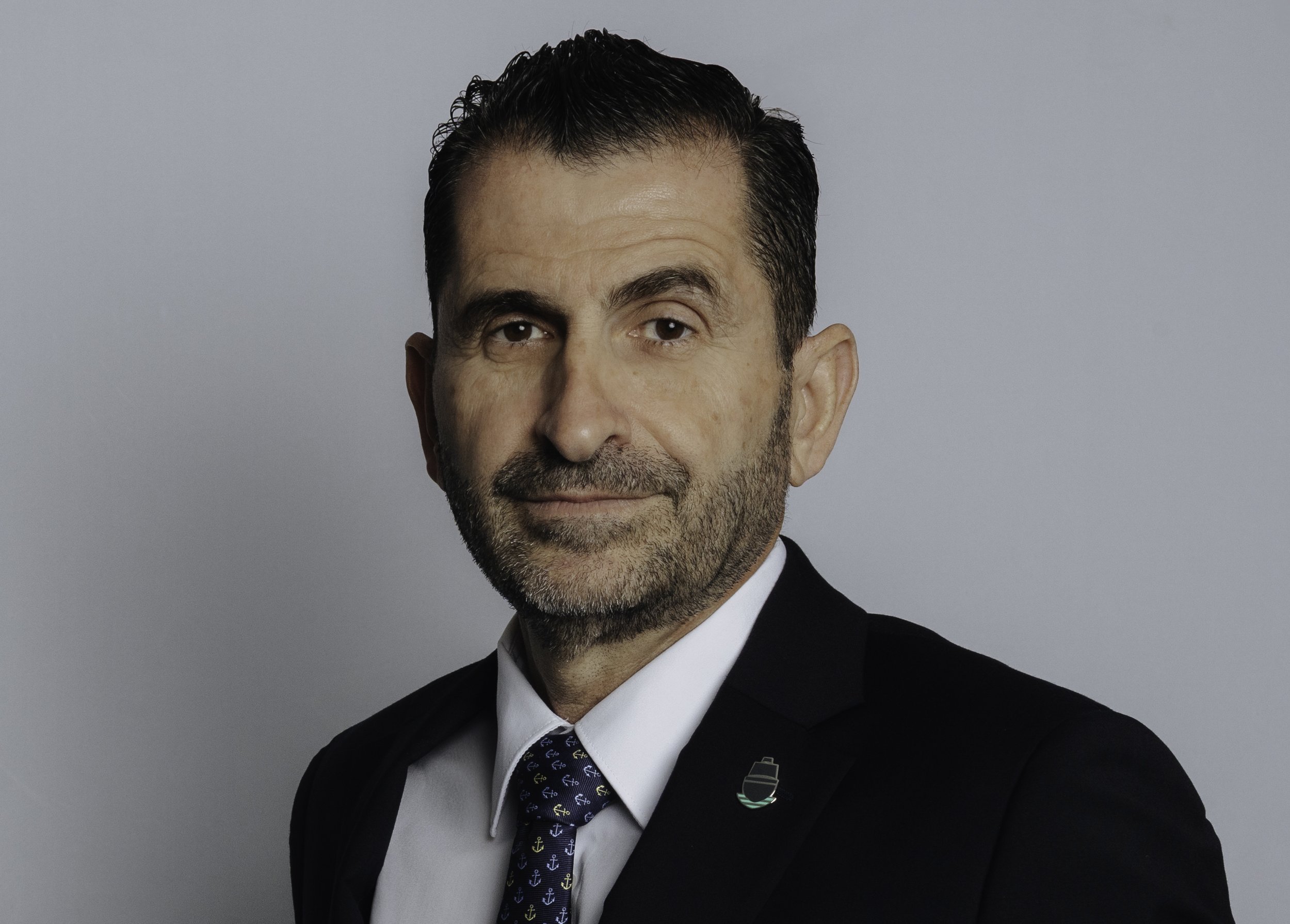
The International Chamber of Shipping (ICS) and the International Transport Workers’ Federation (ITF) have met representatives from Gulf States to address the ongoing conflict and its direct impact on seafarers and shipping in the Gulf.
The meeting comes four weeks into the deadly conflict in which seafarers have been killed, ships have come under attack, and an estimated 20,000 seafarers remain stranded in conditions of fear and uncertainty, on ships unable to transit the Strait of Hormuz.
Discussions focused on urgent practical, joint initiatives aimed at supporting ships and crews currently impacted. These include:
• Introducing, as required, a reporting mechanism, via the IMO, for ships to highlight their most immediate concerns for resupply so this can be communicated to Gulf State partners.
• Recognition of seafarers as key workers in accordance with the national law and the need to prioritise their replacement onboard ships, where necessary and in accordance with the relevant international standards, to ensure that vessels in the affected region remain sufficiently manned and operational.
• Being able to quickly and safely disembark seafarers from vessels for medical reasons, as necessary.
These initiatives are intended to support both operational continuity for shipping and the immediate safety, protection and wellbeing of seafarers caught in the conflict zone.
Thomas A. Kazakos (pictured), Secretary General of the International Chamber of Shipping, said: “Discussions with our partners in the Gulf States at this meeting were constructive and timely. Their support is essential to addressing the challenges facing seafarers and ships in the region and I was encouraged by their commitment to work with us to introduce solutions as required.
“Together, we have identified a series of practical and achievable steps, and we are committed to working in close partnership to safeguard seafarer welfare and maintain the flow of global trade.”
Stephen Cotton, General Secretary of the International Transport Workers’ Federation, said: “Seafarers are on the frontline of this conflict, and right now too many are facing extremely difficult conditions. It is essential that they have access to food, clean water, fuel and medical care. These are not optional; they are fundamental rights.
“At the same time, no seafarer should be expected to remain in a conflict zone against their will. Those who want to go home must be able to do so safely and without delay, with arrangements in place to ensure safe crew changes and the continued operation of vessels.
“The ITF is working closely with shipowners and our industry partners, to support seafarers through this crisis. We are making sure their voices are heard and are bringing their demands directly to governments and industry to secure practical solutions that protect seafarers and the industry.”
During the meeting the representatives of the Gulf States to the IMO highlighted several issues. Including that their respective governments have already begun and will continue to do everything in their capacity to support seafarers, emphasising the importance of concerted efforts to ensure that neither seafarers nor passengers onboard ships feel abandoned.
They also highlighted that the current phase is different from the initial stages, and as such requires different measures. They also confirmed that logistical support will be implemented across the GCC States for ships that are unable to leave the Gulf region, and that crew changes will not face difficulties.
In cases where crew contracts or medical certificates expire, it was indicated that the GCC States may resort to exceptional measures like those taken during the COVID-19 pandemic to facilitate seafarers’ situation.
Moreover, they stressed the need to work closely with the IMO and its Secretary-General, under the auspices of the resolutions of its Extraordinary Session (36), to ensure the establishment of a safe maritime corridor for the evacuation of ships, guarantee the safety of seafarers, and resume navigation in the Strait.