
Maritime clusters must turn international cooperation into practical projects that unlock investment, support innovation and strengthen the industry’s workforce, speakers told the International Association of Maritime Clusters’ (IAMC) inaugural online conference.
The Building Bridges conference, held yesterday (2 November) under the theme ‘How Diverse Maritime Clusters Can Work Together’, attracted more than 200 delegate registrations. Discussions examined how clusters can tackle shared challenges while protecting commercial interests, and why regional maritime communities need a stronger international voice.
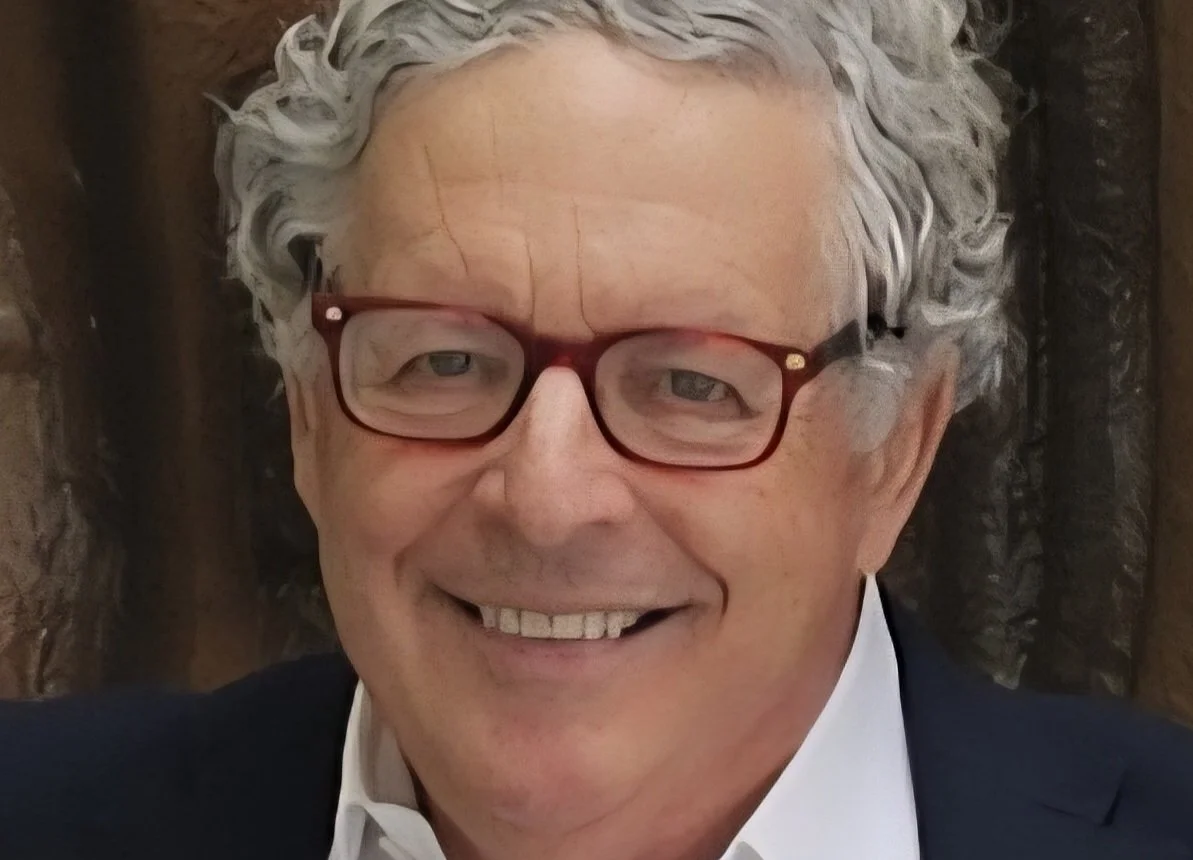
Opening the conference, IAMC President Peter Shaerf (pictured) highlighted the pressures created by shifting trade flows, geopolitical uncertainty, decarbonisation and widening skills gaps. “Everything is felt locally. But it can’t necessarily be solved locally,” he said.
Speakers stressed that competition for contracts and investment should not prevent clusters from sharing knowledge, training approaches, market intelligence and experience of new technologies. Protecting commercially sensitive information was essential to building the trust needed for that cooperation.
Participants emphasised that these proposals should produce benefits for individual member companies. The discussion also exposed barriers to maritime innovation. These included inconsistent regulatory frameworks and difficulties securing finance to take promising technologies beyond pilot projects and into commercial use.
Joshua Berger, President and CEO of Maritime Blue, described opportunities for clusters to share access to test facilities and regulatory sandboxes, helping innovators demonstrate solutions in different markets, while Gonçalo Santos from Forum Oceano in Portugal, proposed an exchange between clusters that would connect smaller businesses with testing opportunities and report results within 12 months.
Claudia Grant, Deputy Director General of the Maritime Authority of Jamaica, suggested mapping the capabilities of different clusters to make potential partnerships easier to identify. Caribbean cooperation on maritime education and the potential for collaboration on alternative fuels illustrated how neighbouring countries could build on complementary strengths.
The ‘Small Cluster, Big Voice’ session challenged assumptions that influence depends on size. Regional clusters described their ability to connect businesses, researchers and public authorities, mobilise smaller companies and move quickly from an idea to implementation.
Stu Baker, CEO of Maritime Solent, emphasised the distinctive perspective regional clusters bring by working across maritime’s entire value chain. Their success, he said, should be judged through the achievements of the businesses and communities they support.
Ruth Wood, Chief Executive of Mersey Maritime, stressed that effective cluster structures must reflect local circumstances.
“There’s no one-size-fits-all when it comes to cluster model,” she said, pointing to the importance of regional specialisms and expertise. Speakers also discussed the need for government engagement alongside credible financial backing from industry.
The ‘Talent Without Borders panel’ placed recruitment, retention and lifelong learning at the centre of maritime’s future. Participants called for clearer pathways between sea and shore, closer links between employers and educators, and greater recognition of people entering maritime from other careers.
Matthew Stewart, Deputy Dean of Warsash Maritime School, urged the industry to focus on new talent rather than young talent alone, while Dr Momoko Kitada of the World Maritime University highlighted the need for inclusive workplaces and opportunities for younger people to contribute ideas and be heard.
Irene Rosberg, Programme Director at the Copenhagen Business School, said learning must extend throughout an organisation: “But professional development cannot just stop once somebody reaches the shore management or the boardroom.”
Columbia Group CEO Andreas Hadjipetrou highlighted the importance of improving seafarers’ living conditions, family connectivity and career development. He also underlined the need to judge cooperation through delivery.
“However, the results will have to be measured not by wishful thinking, but by real action,” he said. The session was chaired expertly by Capt Lee Clarke, Managing Director of the Isle of Man Maritime.
Practical proposals emerging from the conference included shared testing access, exchanges for smaller businesses and closer training partnerships, with speakers urging participants to turn new contacts into projects whose results could be demonstrated at future meetings.