
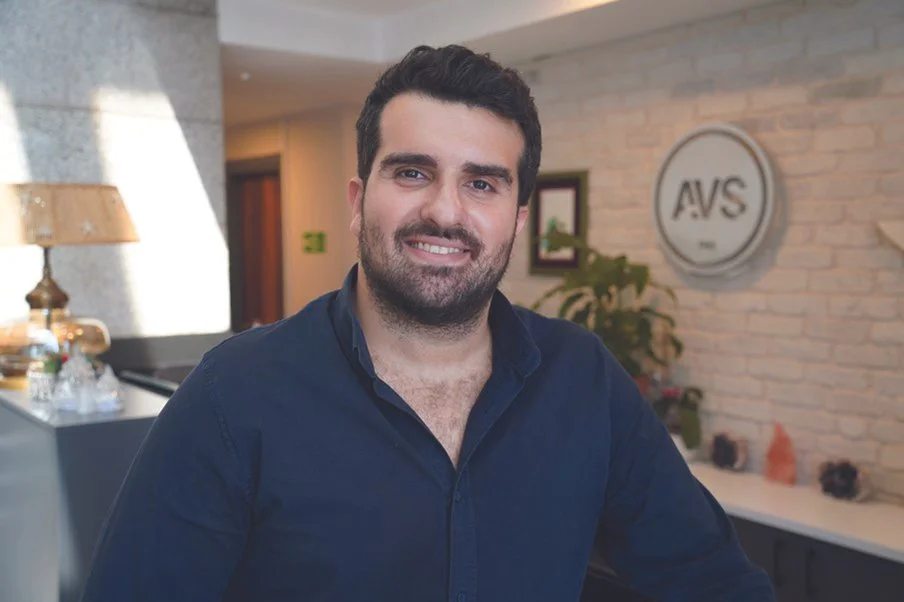
Doğukan Şimşek, Deputy Country Manager, AVS Global Ship Supply, writes as follows that the maritime sector is approaching 2026 at a pivotal moment.
“What once felt like gradual, incremental change is now solidifying into structural change and decarbonisation, digitalisation, crew welfare, and sustainability are no longer separate conversations, they are increasingly interconnected and operational.
For us at AVS Global Ship Supply and the ship supply sector in general, this convergence is reshaping expectations, processes, and partnerships in ways that will define the next phase of the industry.
Based on what we see across fleets, ports, and supply chains, AVS Global Ship Supply believes five key shifts will fundamentally reshape ship supply in 2026.
1. Ship supply will move beyond price-driven transactions
One of the most visible changes is the steady move away from purely transactional purchasing. Ship supply is no longer judged on price or availability alone as reliability, compliance, documentation quality, and predictability are becoming equally decisive.
As vessels grow more complex, regulatory requirements rise, and sustainability expectations tighten, operators are looking for partners who can deliver consistency across ports, vessel types, and operating profiles. The suppliers that now succeed will be those that function as extensions of the operator’s operational team, rather than as price-based vendors.
2. Data and structure will become baseline expectations, not differentiators
Customer expectations have evolved rapidly. Operators now expect faster response times, clearer communication, and fewer operational surprises and they want suppliers who understand how their vessels actually operate and who can align supply processes with real-world constraints such as port windows, crewing patterns, and technical limitations.
This is driving a shift toward more structured workflows and disciplined use of data. Importantly, digitalisation is no longer viewed as a competitive advantage - it is a baseline requirement. Systems that support visibility, traceability, and documentation will be essential simply to remain relevant. Structured data will also play a key role in tracking and improving sustainability metrics, from waste reduction to fuel optimisation, helping operators meet both regulatory and ESG goals.
3. Crew welfare and training will be recognised as operational priorities
Catering and crew welfare are undergoing a quiet but significant transformation. Through our involvement with Seafarers Wellbeing initiatives, it has become increasingly clear that onboard conditions directly impact safety, retention, and performance. Nutrition, water quality, and living standards are no longer secondary concerns, they are operational issues that influence fatigue, morale, and long-term workforce sustainability.
At EKOL Maritime Training Centre, this is being addressed through structured, practical training programs designed specifically for onboard chefs. The dedicated learning management system focuses on menu planning, food safety, cost control, and operational consistency across fleets and in 2026, these programs will expand with new modules and refreshers, reflecting the realities of life at sea and evolving standards for catering, hygiene, and nutrition.
Through EKOL Maritime Training Centre’s approach, training becomes an enabler not only of operational efficiency but also of crew wellbeing and sustainability such as reducing waste, optimising provisioning, and sourcing responsibly. This ensures that the human element of ship operations is aligned with both performance and environmental objectives.
4. Technology will support human judgement, not replace it
Technology will continue to shape ship supply, but in practical, enabling ways rather than through disruption. Predictive analytics and automation are being applied to reduce inefficiencies, improve forecasting, and enhance technical store management.
The objective is not to remove human judgement, but to support it, by reducing routine workload, improving documentation accuracy, and highlighting risks earlier. At AVS Global Ship Supply, continued investment in digital tracking and reporting, including building on recent ERP implementations, reflects this philosophy. The most effective supply organisations will be those that combine strong systems with experienced operational teams, enabling smarter, more sustainable decision-making along the supply chain.
5. Technical stores will become more specialised as alternative fuels scale
Technical store management is becoming increasingly specialised as alternative fuels such as LNG, methanol, and hybrid systems move from pilot projects into everyday operations. These vessels require different components, higher safety standards, and far more rigorous documentation.
Preparing for this shift demands investment in technical knowledge, traceability, and compliance-ready processes, as well as in the systems that support them. The use of alternative fuels demonstrates sustainability in action at sea, and suppliers who can support these technologies while maintaining safety, quality, and operational reliability will be critical to the decarbonisation agenda.
As a UN Global Compact member, AVS Global Ship Supply views responsible practices, environmental stewardship, and people-focused operations as central to creating long-term value across the maritime supply chain.
Throughout 2026, the maritime sector will increasingly reward trust and sustainability over price alone. Trust built through transparent operations, consistent service delivery, compliance-ready processes, and a genuine commitment to both the people and the planet.
Whether through dependable ship supply, safe and compliant water solutions provided by AVS Global Water by Aquarex, or structured training delivered through EKOL Maritime Training Centre’s dedicated learning platforms, organisations that combine operational excellence, human-centric thinking, and sustainability leadership will shape the future of ship supply.”